Author: Site Editor Publish Time: 2026-08-27 Origin: Site
Investing in a standard kitchen appliance often leads to burned-out motors and chunky smoothies. You bring home a new machine, load it with frozen fruit, and watch it stall. You might hesitate to try healthy recipes that explicitly require professional-grade equipment. This functional gap between standard kitchen blending and professional-grade processing creates a common household problem. Cheap appliances struggle with dense ingredients. They leave fibrous greens stringy and fail to crush ice uniformly. Understanding the technical framework helps when evaluating a high speed blender vs blender. You must look beyond the brand name. Motor architecture, blade design, material durability, and end-product texture dictate performance. A commercial-grade unit requires a higher upfront investment but delivers unmatched consistency. This guide breaks down the mechanical differences. You will learn exactly how motor wattage, blade speed, and pitcher materials impact your daily culinary tasks.
Power and RPM Thresholds: High-speed blenders typically operate above 1,000 watts (often 1,500+) and exceed 20,000 RPMs, whereas standard blenders usually range from 300 to 600 watts, limiting their ability to liquefy fibrous or hard ingredients.
Material Engineering: Standard blenders often use glass or basic plastic pitchers, which are prone to shattering or cracking under high stress. High-speed models utilize impact-resistant, BPA-free copolyester (like Tritan) to safely withstand extreme centrifugal forces and friction heat.
Friction Heating Capabilities: True high-speed units generate enough kinetic energy to heat raw ingredients into steaming soup in under six minutes—a physical impossibility for standard motors.
Evaluating kitchen equipment requires looking inside the motor base. The distinction between these two categories lies in raw power and sustained endurance. Standard machines handle simple liquids and soft fruits. High-performance models process dense, dry, and fibrous materials without stalling or overheating.
Motor strength dictates blending capability. Manufacturers often advertise peak horsepower on the retail box. This metric represents the startup torque. It shows the initial burst of power when the machine turns on. However, sustained wattage matters more for continuous blending. Standard blenders lack heavy-duty copper windings in their stators. They also lack internal cooling fans and robust thermal overload switches. Without these components, standard motors overheat quickly when processing thick mixtures like hummus or acai bowls. You might even smell burning electrical varnish when pushing a cheap motor too hard. High-performance motors sustain their power output. They push through dense ingredients without burning out the electrical components. They feature advanced airflow designs that pull cool air over the motor during heavy loads.
Speed defines professional blending. The RPM threshold classifies a machine as high-speed. These units must exceed 20,000 RPMs under load. Blade tip speed correlates directly with culinary performance. When blades spin at these extreme velocities, the tips can travel at over 200 miles per hour. This high velocity allows the blades to rupture plant cell walls. This action releases nutrients and creates a micro-smooth texture. Standard machines operate at much lower speeds. They chop ingredients rather than liquefying them. Complex culinary tasks demand extreme blade velocity to achieve perfect homogenization. If you want a perfectly smooth green juice without using a strainer, you need high RPMs.
The drive socket connects the motor to the blade assembly. It transfers the rotational force from the base to the pitcher. Standard blenders typically use plastic drive sockets. These plastic parts strip easily under heavy loads. Processing thick ice or frozen fruit often destroys them. If you ever notice fine black dust accumulating under your blender base, your plastic drive socket is grinding itself down. High-performance models use metal-on-metal gear couplings. This heavy-duty construction prevents stripping. It ensures efficient power transfer from the motor base to the pitcher. Metal sockets withstand the intense torque required for daily, heavy-duty processing.
Looking past the motor reveals other engineering differences. Blade shape, pitcher material, and speed controls impact the final result. Each component must handle extreme physical stress without failing.
Standard blenders rely on razor-sharp blades to cut food. These sharp edges dull quickly over time. Ice and hard seeds degrade the thin metal rapidly. Once dull, a standard machine loses its effectiveness and leaves chunks behind. High-performance machines take a different approach. They use thick, blunt, aircraft-grade stainless steel blades. These blades do not rely on sharpness. Instead, they pulverize ingredients via sheer velocity. The blunt impact shatters cell walls and crushes ice instantly. This design ensures consistent performance over many years. You never have to worry about sharpening the blades because they do their job through brute force.
Blade speed alone cannot guarantee smooth textures. The ingredients must constantly circulate. Pitcher shape and blade angle work together to create a vortex. In high-performance models, the internal ribs of the pitcher fold the ingredients back down. The food moves continuously into the spinning blades. Standard machines often suffer from cavitation. Cavitation creates air pockets around the blade. The blade spins freely while the food sits trapped above it. You have to stop the machine, shake the pitcher, and restart it. A proper vortex eliminates this frustrating problem entirely.
Consumers often view glass pitchers as a premium feature. Glass presents severe structural limitations in high-powered applications. It is heavy and difficult to maneuver when full. More importantly, glass risks shattering at high RPMs. It also suffers from thermal shock when processing hot liquids. Pouring boiling water into a cold glass pitcher can cause it to crack instantly. High-impact plastics are an engineering necessity for powerful motors. Specialized materials like Tritan copolyester prevent safety hazards. They withstand extreme centrifugal forces. They also handle the friction heat generated during intense blending sessions without warping or leaching chemicals.
Processing large batches requires specific pitcher geometry. High-performance machines handle larger volumes of dense materials. Their wide bases allow ingredients to drop easily into the blades. Standard machines often feature narrow bases. They stall when loaded with too much frozen fruit or ice. Powerful motors and optimized pitchers prevent stalling. You can fill the container to its maximum capacity without risking motor failure. This capability proves useful when prepping meals for a large family or batch-cooking soups.
Standard machines usually offer limited control options. You might see basic "Low/Med/High" buttons. Many feature gimmick buttons like "Ice Crush" or "Smoothie." These presets offer little flexibility and often fail to deliver the promised results. High-performance units feature continuous variable speed dials. This granular control allows precise adjustments during processing. You can ramp up the speed slowly to prevent ingredients from splashing onto the lid. The highest number on a variable dial delivers immense power. It equates to a sustained, high-torque version of a standard machine's highest setting.
Maximum power is not always the goal. Lower power settings are critical in high-end models. Low speeds allow you to chop ingredients carefully. You can create chunky salsas without turning them into liquid. You can emulsify delicate salad dressings slowly, pouring oil in a steady stream while the blades mix gently. Low speeds also let you fold in mix-ins. You can add chocolate chips or nuts to a thick batter without accidentally pureeing the entire batch. Precision control makes the machine a versatile culinary tool rather than just a smoothie maker.
The true test of any kitchen equipment is the final product. Technical specifications only matter if they improve your food. The difference in texture between these two machine types is immediately noticeable.
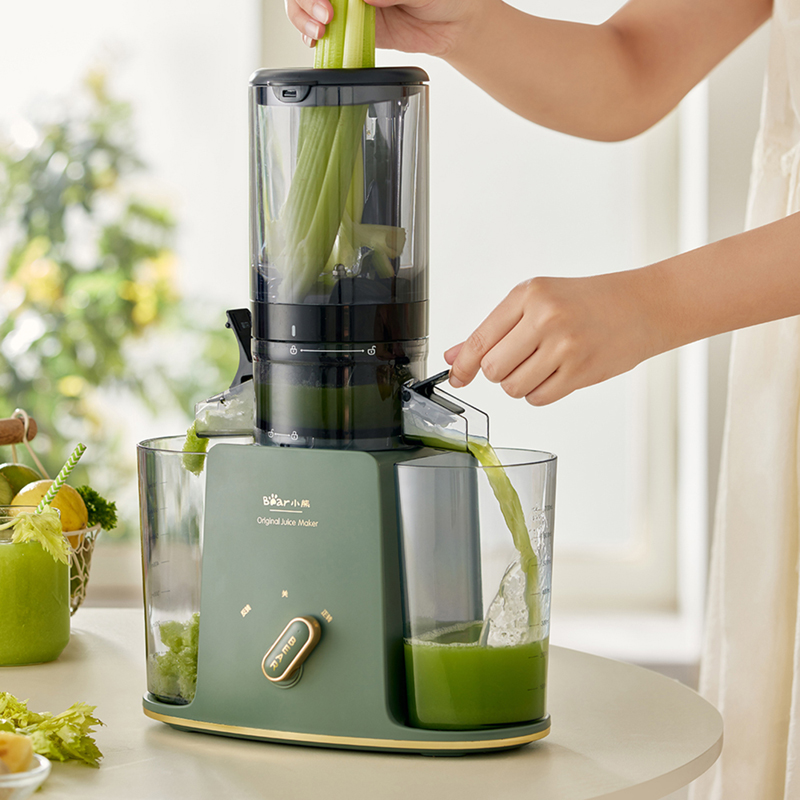
Green smoothies expose the weaknesses of standard machines. Kale, spinach, and celery contain tough cellulose structures. A standard machine leaves these greens stringy. The resulting smoothie feels gritty and unpleasant to drink. You end up chewing your beverage. A powerful motor completely liquefies cellulose. The extreme blade velocity ruptures the plant cell walls. This process extracts maximum flavor and yields a micro-smooth texture that rivals commercial juice bars. You can blend tough stems and seeds without leaving any trace of grit.
Making dairy-free milk provides a perfect benchmark test. The standard recipe uses one cup of soaked cashews to three cups of water. Standard machines struggle with this task. They leave a gritty residue in the liquid. You must strain the mixture through a nut milk bag to make it drinkable. High-performance machines yield commercial-grade results. They fully homogenize the nuts and water. The resulting milk is perfectly smooth and requires absolutely no straining.
To perform this test properly, follow these steps:
Soak one cup of raw cashews in water for four hours.
Drain the cashews and place them in the pitcher.
Add three cups of fresh, filtered water.
Start the machine on low, then rapidly increase to the highest speed.
Blend for exactly 60 seconds.
Pour the liquid directly into a glass to check for any remaining grit.
Processing dry roasted nuts into butter requires immense torque. You must crush the nuts until they release their natural oils. Standard motors overheat quickly during this process. They lack the power to push through the dense paste, and the blades simply spin in an air pocket. High-performance models handle this task effortlessly. They utilize a tamper tool to push ingredients into the blades while the machine runs. You can create smooth almond or peanut butter in minutes without adding any extra oil.
Crushing ice demands blunt force and high velocity. Standard machines tend to bounce ice cubes around. They leave large ice chunks floating in your liquid. This ruins the texture of frozen drinks and damages the thin blades. High-performance machines turn ice into uniform snow instantly. This capability is ideal for making sorbets. It also produces perfectly blended frozen cocktails. The blunt blades shatter the ice evenly every single time, creating a smooth, scoopable texture.
Upgrading your kitchen equipment introduces new variables. Professional-grade power comes with specific physical realities. You must prepare for these changes before making a purchase.
Extreme motor power generates significant noise. A two-horsepower motor is inherently loud. Operating at 20,000 RPMs moves a massive amount of air through the cooling vents. The acoustic output can startle new users. You must accept this reality when choosing professional power. Mitigation strategies exist for home kitchens. You can place a heavy rubber mat under the base to absorb vibrations. Some users invest in acrylic sound enclosures. These enclosures dampen the noise significantly during early morning blending sessions, keeping the decibel levels manageable.
Powerful motors require large, heavy base units to remain stable during operation. High-capacity pitchers add considerable height to the machine. This physical footprint demands dedicated counter space. Many fully assembled units stand 17 to 20 inches tall. They do not fit under standard kitchen cabinets, which typically sit 18 inches above the counter. You may need to store the pitcher separately from the base. Measure your under-cabinet clearance carefully. Ensure you have a suitable location for the machine before bringing it home.
Operating a professional machine requires learning new techniques. You must understand the sequence of loading ingredients. Liquids always go in first to get the blades spinning freely. Dry goods and powders follow the liquids. Leafy greens go next. Frozen ingredients and ice go in last to push everything down. This sequence maximizes the vortex efficiency. You must also learn to use the tamper effectively. The tamper breaks up air pockets safely. Mastering these techniques ensures optimal performance and prevents motor strain.
Choosing the right equipment depends entirely on your daily habits. You must evaluate your specific culinary needs. Avoid overspending if your requirements are basic. Do not under-buy if you process heavy ingredients daily.
Standard models serve specific, lightweight purposes. They fit well into specific lifestyle parameters.
Infrequent use: You only blend items once or twice a month.
Basic protein shakes: You mix protein powder with milk or water.
Soft fruits: You primarily blend bananas, berries, and yogurt.
Liquid-heavy recipes: Your recipes contain plenty of water or juice.
Professional-grade models solve complex culinary challenges. They are built for rigorous, daily execution.
Daily use: You rely on the machine multiple times per week.
Processing fibrous greens: You drink green smoothies with kale or celery.
Complex recipes: Your recipes specifically call for high-powered blending.
Making nut butters and milks: You prefer homemade, preservative-free dairy alternatives.
Hot soups: You want to heat raw ingredients via friction.
Milling grains: You grind your own wheat or rice flour.
Durability requirements: You want a machine that lasts a decade without failing.
| Feature | Standard Blender | High-Speed Blender |
|---|---|---|
| Motor Power | 300 - 600 Watts | 1,000 - 1,500+ Watts |
| Blade Design | Sharp, thin metal (dulls over time) | Blunt, thick aircraft-grade stainless steel |
| Pitcher Material | Glass or basic plastic | Impact-resistant Tritan copolyester |
| Drive Socket | Plastic (prone to stripping) | Metal-on-metal gearing |
| Friction Heating | No | Yes (can make hot soup) |
| Best For | Soft fruits, liquid shakes, occasional use | Tough greens, ice, nuts, daily heavy use |
Take the following immediate actions to finalize your equipment decision:
Measure the vertical clearance between your kitchen countertops and upper cabinets to ensure a 17-inch to 20-inch machine fits fully assembled.
Audit your weekly grocery purchases to determine if fibrous greens, raw nuts, and frozen fruits make up a significant portion of your diet.
Inspect the drive socket on your current machine for black dust or stripped plastic, indicating it is failing under your current workload.
Review the manufacturer warranty terms on any new unit, specifically checking if the guarantee covers the motor base for a minimum of five years.
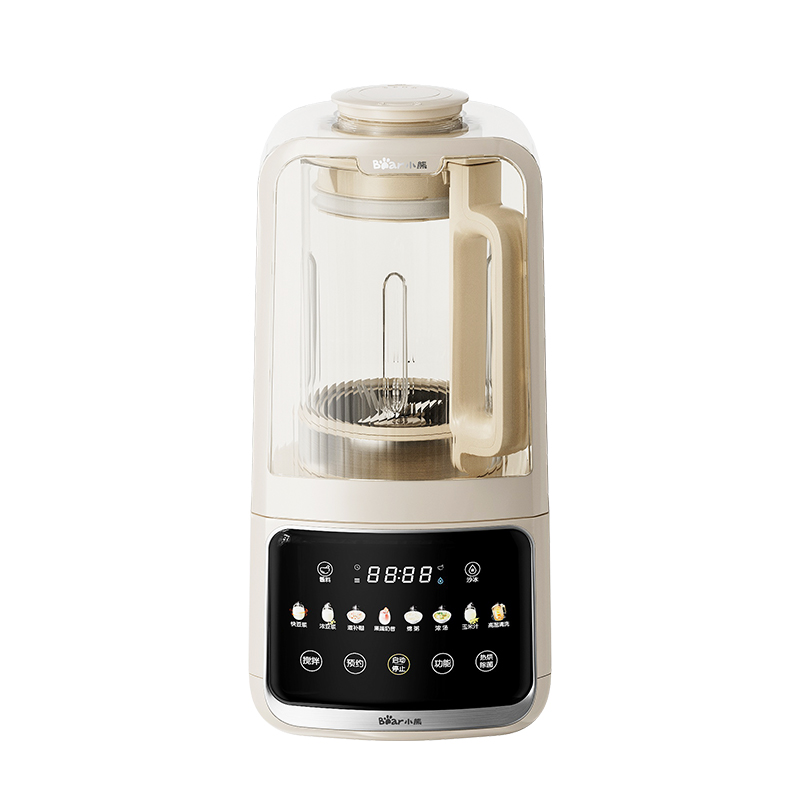
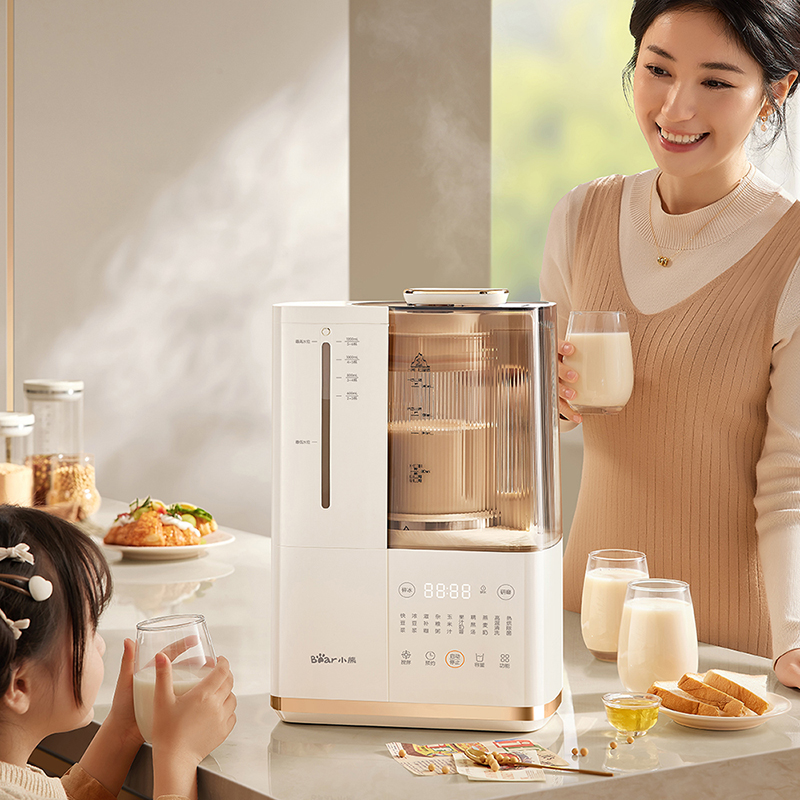
For consumers looking for practical kitchen appliances designed around everyday food preparation needs, Bear offers a broad range of small household appliances for modern kitchens. With experience in developing user-focused kitchen solutions, Bear provides blender options designed to support convenient food preparation for different recipes and daily routines.
A: A high-speed machine operates with a motor exceeding 1,000 watts and achieves blade speeds over 20,000 RPMs. This immense power allows the machine to pulverize tough ingredients, rupture plant cell walls, and heat raw liquids into steaming soup purely through friction.
A: No. Regular machines lack the torque and speed required for heavy-duty tasks. They cannot process dry nuts into smooth butter, crush ice into uniform snow, or completely liquefy fibrous greens. Attempting these tasks often overheats standard motors and leaves a chunky, gritty texture.
A: The higher cost reflects the commercial-grade engineering. These units feature heavy-duty copper motor windings, metal-on-metal drive sockets, aircraft-grade stainless steel blades, and impact-resistant Tritan pitchers. They also include extended warranties that guarantee performance for up to a decade.
A: Low speeds provide essential culinary precision. They allow you to chop vegetables for chunky salsas, gently emulsify oil-based salad dressings, and fold delicate mix-ins into thick batters without accidentally pureeing the entire mixture into a liquid.
A: Yes. A tamper is crucial for processing thick, low-liquid mixtures like nut butters and frozen sorbets. It allows you to safely push ingredients down into the spinning blades, preventing air pockets and cavitation without risking contact with the blade assembly.
A: Yes. High-performance machines use Tritan copolyester pitchers designed to resist severe thermal shock. However, you must always use a vented lid. The vent allows steam to escape safely, preventing dangerous pressure buildup inside the pitcher during processing.
A: Under heavy, daily use, commercial-grade units typically last between 5 and 10 years, supported by robust manufacturer warranties. In contrast, standard machines often burn out or suffer broken plastic drive sockets within 1 to 3 years of similar usage.