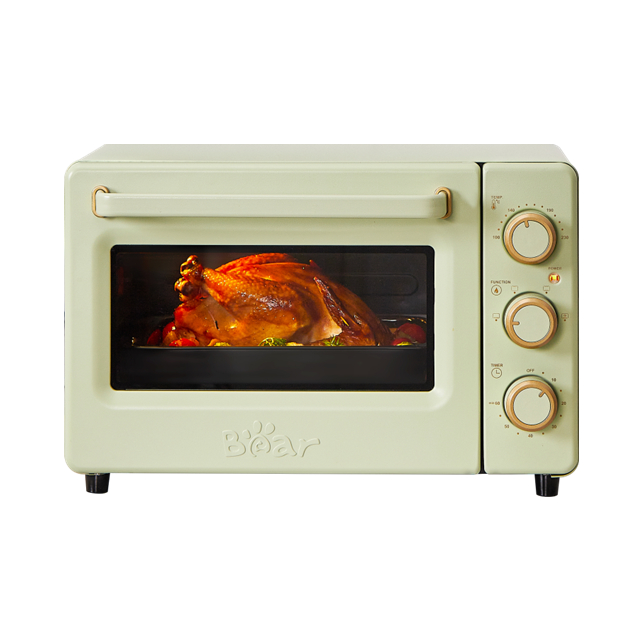
Author: Site Editor Publish Time: 2026-08-27 Origin: Site
Optimizing limited kitchen counter space presents a daily challenge for many households. Choosing the right countertop appliance forces a difficult decision between dedicated high-velocity convection and versatile radiant heat. Consumers frequently face misleading marketing claims about hybrid appliances. These units promise to replace separate devices but routinely underperform in specific cooking tasks. You need appliances that maximize cooking efficiency without sacrificing meal quality.
This article provides an objective, mechanics-based evaluation of the air fryer vs toaster oven debate. We break down exactly how each heating technology works. You will learn how to match the right appliance to your specific daily cooking habits, capacity needs, and counter space constraints. By understanding the engineering behind these tools, you can make an informed decision that elevates your everyday cooking.
Mechanics Dictate Results: Dedicated air fryers utilize highly focused, high-velocity cyclonic air blowing inwards in a compact chamber for rapid crisping, whereas toaster ovens rely on radiant heat and larger chambers for gentle, even baking and toasting.
The Hybrid Compromise: Independent testing consistently shows that while toaster ovens with air-fry settings offer superior versatility and appliance consolidation, most deliver subpar air-frying performance compared to pure, dedicated air fryers—with only a few premium models serving as viable exceptions.
Capacity vs. Footprint: Toaster ovens accommodate wider, flatter items (like pizzas or standard baking pans) and batch cooking, while pod-style air fryers require shaking and are limited to smaller, stacked batches.
Final Purchasing Logic: The choice depends entirely on primary use cases—prioritize an air fryer for speed and reheating fried foods; prioritize a toaster oven for baking, broiling, and replacing a full-sized conventional oven.
When you open up a dedicated air fryer, the internal engineering is entirely focused on airflow manipulation. A heavy-duty nichrome heating coil sits directly above the food basket. Immediately above this coil rests a large, high-RPM fan. This fan forces hot air downward at extreme velocity. The air blasts the surface of the food, travels down the curved sides of the basket, and circulates back up through the center. This creates a tight, cyclonic air pattern.
This compact, insulated cooking chamber accelerates the Maillard reaction. Because the internal volume is so small, thermal transfer is incredibly efficient. You achieve a crispy exterior using minimal oil because the high-velocity air rapidly strips away the moisture boundary layer surrounding the food. The moisture evaporates instantly, allowing the surface temperature of the food to exceed the boiling point and begin browning.
This design carries distinct physical limitations. The heat is primarily unidirectional, striking aggressively from the top down. While the perforated basket allows air to reach the bottom, the top surface always cooks faster. You must shake the basket or manually flip the food halfway through the cooking cycle. The intense airflow can also dehydrate lean proteins if you leave them unattended for even a few extra minutes.
Traditional toaster ovens operate on a completely different thermal principle. They utilize top and bottom heating elements, typically constructed from quartz tubes or metal-sheathed calrod. These elements generate radiant heat. The heat radiates outward in straight lines, warming the air and the food simultaneously. This mimics the exact environment of a full-sized conventional wall oven.
The cooking chamber in a toaster oven is wider and features less insulation than an air fryer. This larger volume provides gentle, even heat distribution. It lacks aggressive air circulation. This gentle thermal environment is ideal for baking delicate items, allowing dough to rise without the surface setting too quickly. The bottom elements ensure the underside of your food cooks at the exact same rate as the top, which is necessary for proper baking.
Modern toaster ovens often include a convection fan, but you must understand the technical distinction. A standard convection fan in a toaster oven spins at a relatively low speed. It gently moves hot air around the wider chamber simply to eliminate cold spots. It does not generate the high-velocity, cyclonic airflow found in a dedicated air fryer. The air movement remains passive rather than aggressive.

Preheating times highlight a major operational difference between these appliances. Dedicated air fryers require zero to three minutes to reach target temperatures. The small chamber and high-output element heat the space almost instantly. Toaster ovens require five to ten minutes. The larger chamber and thicker metal walls must absorb significant thermal energy before the ambient air reaches the desired cooking temperature.
Crisping outcomes vary wildly based on the appliance you select. Air fryers excel at cooking frozen foods, dense proteins, and sturdy vegetables. They produce a deep-fried texture without submersion in oil. French fries emerge crispy on the outside and fluffy inside. Chicken wings render their subcutaneous fat quickly, resulting in blistered, crispy skin.
Air fryers carry a high risk of rapidly drying out food. The aggressive fan evaporates surface moisture relentlessly. Toaster ovens provide a slower, more forgiving cook. They retain moisture better inside thick cuts of meat like pork chops or chicken breasts. A toaster oven roasts vegetables gently, caramelizing the natural sugars without burning the delicate edges prematurely.
| Cooking Task | Dedicated Air Fryer Performance | Toaster Oven Performance |
|---|---|---|
| Frozen French Fries | Excellent. Crispy exterior in 12-15 mins. | Fair. Often uneven, takes 20-25 mins. |
| Baking Cookies | Poor. Tops burn before centers bake. | Excellent. Even browning, proper spread. |
| Reheating Pizza | Good for 1 slice. Toppings may blow off. | Excellent. Fits multiple slices, crisp crust. |
| Toasting Bread | Poor. Dries bread into a hard crouton. | Excellent. Traditional toasted texture. |
| Chicken Wings | Excellent. Renders fat quickly, very crispy. | Good. Slower rendering, less crispy skin. |
Toaster ovens dominate when evaluating pure culinary versatility. They handle wet batters effortlessly. You can bake delicate pastries, muffins, and small cakes without issue. The gentle bottom heat allows yeast doughs and chemical leaveners to rise properly before the crust sets. Toaster ovens also excel at broiling melting cheese and achieving an even, traditional toast on sliced bread.
Air fryers struggle heavily with these specific tasks. Wet batters, like tempura or beer batter, blow off the food or drip through the basket before setting. The high-speed fan causes lightweight foods, like leafy greens, spinach, or tortillas, to fly around the chamber and hit the heating element. If you attempt to toast bread in an air fryer, the aggressive air dehydrates the crumb entirely. It creates a hard crouton texture rather than a soft center with a toasted exterior.
Capacity dictates how you plan and execute your daily meals. A standard 6-quart pod-style air fryer utilizes vertical, stacked capacity. You pile fries, wings, or vegetables on top of each other. This requires frequent shaking to ensure even airflow reaches the items in the center of the pile. The actual horizontal surface area is quite small. You cannot cook wide, flat items easily without cutting them into smaller pieces.
A toaster oven offers horizontal, single-layer capacity. The wire rack accommodates wider items naturally. You can easily fit a 12-inch pizza, a standard 9x13 quarter-sheet baking pan, or six slices of bread side-by-side. This flat surface area is vastly superior for batch cooking flat proteins like fish fillets, pork chops, or butterflied chicken breasts without overlapping them.
Physical footprint matters on a standard 24-inch depth kitchen counter. Pod-style air fryers have a smaller horizontal footprint but require vertical clearance. You pull the basket out toward you, meaning you need space in front of the unit. Toaster ovens consume significantly more horizontal counter space. They also require vertical clearance under cabinets due to exterior heat radiation from the thin metal chassis. You must measure your specific counter dimensions before choosing.
Daily maintenance differs drastically between the two platforms. Most air fryers feature non-stick, dishwasher-safe baskets. You pull the basket out, wash it in the sink with warm soapy water, and slide it back in. The enclosed chamber prevents grease from splattering across your kitchen walls. Cleanup takes mere minutes after cooking a greasy meal.
Toaster ovens require more manual labor to maintain. You must clean wire racks, scrub crumb trays, and wipe down glass doors. Grease splatters onto the interior walls and heating elements during roasting. Over time, this grease polymerizes, bakes on, and becomes incredibly stubborn. You cannot put the entire toaster oven interior into a dishwasher.
Follow this standard protocol for deep cleaning a toaster oven:
Unplug the unit and ensure it is completely cool to the touch.
Remove the wire racks and crumb tray, soaking them in hot water and dish soap.
Apply a paste of baking soda and water to the interior metal walls, avoiding the heating elements.
Let the paste sit for 20 minutes to break down polymerized grease.
Wipe the interior clean with a damp microfiber cloth.
Clean the glass door with a mixture of white vinegar and water to remove baked-on residue.
Dry all components thoroughly before reassembling and plugging the unit back in.
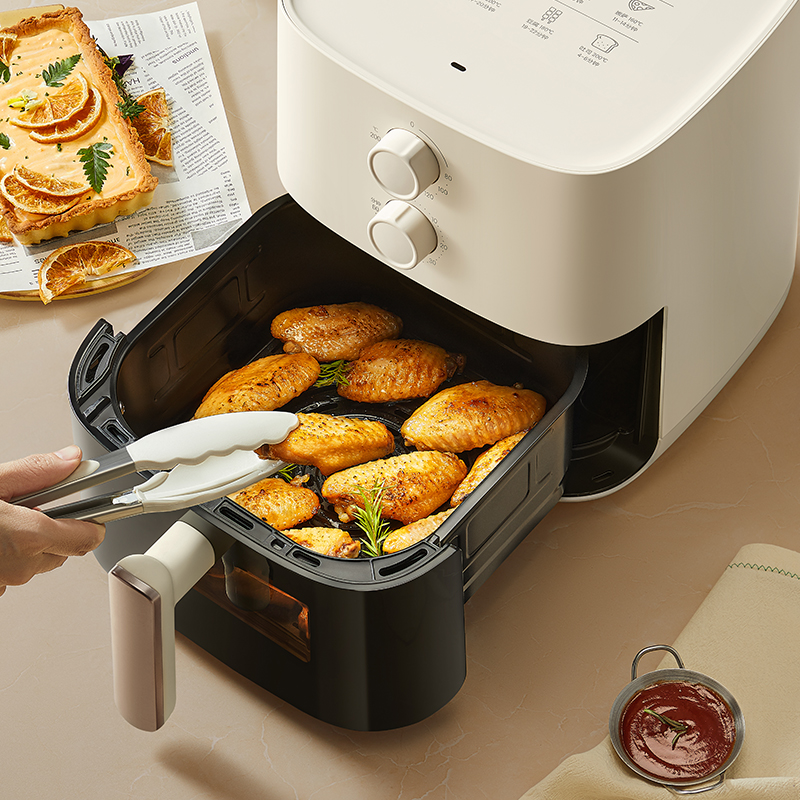
Consumers strongly desire to declutter their countertops. Appliance manufacturers respond by marketing "all-in-one" hybrid units. These toaster ovens feature a dedicated "air fry" setting on the dial. Marketing materials claim these units completely replace separate appliances. Independent testing data reveals a much more complicated reality regarding these claims.
A larger chamber fundamentally alters airflow dynamics. A standard convection fan mounted on the side wall of a toaster oven cannot perfectly replicate the high-velocity, focused cyclonic air of a dedicated pod-style air fryer. The inverse square law applies to air velocity. As the chamber volume increases, the air loses speed and heat before hitting the food. The crisping effect diminishes significantly because the moisture boundary layer is not stripped away fast enough.
Choosing a hybrid unit involves accepting standard compromises. You will experience slower air-frying times. Crisping will be less uniform across the food surface, often leaving the bottom soggy while the top browns. Because the heat is less intense and less focused, you must manually flip food in a hybrid unit to achieve even browning. The convenience of rapid, hands-off crisping is lost.
There are notable exceptions in the market. A select few premium hybrid models achieve adequate air-frying results. They utilize specialized high-RPM fans and concentrated top-heating elements to force air downward. These units perform much better than entry-level hybrids. However, they still fall slightly short of the sheer speed offered by a dedicated pod-style unit.
You must identify your specific user profile. A hybrid unit is an acceptable compromise if you prioritize versatility and space-saving over perfect air-frying speed. If you bake frequently but only occasionally crisp frozen foods, a hybrid works well. If you demand immediate, shatteringly crisp results daily, a hybrid will disappoint you.
Both appliance categories offer entry-level and premium models. Entry-level air fryers are highly accessible and utilize basic plastic housings with simple mechanical timers. Entry-level toaster ovens are similarly positioned, using thin stamped metal and basic quartz elements. However, high-performing hybrid units require a significant initial investment of kitchen real estate and utilize heavy-duty stainless steel components. Achieving true air-fry velocity inside a large metal box requires complex engineering and robust internal parts.
Expected lifespans vary based on common failure points. Air fryers frequently fail due to electronic issues or basket degradation. The digital displays malfunction, or the non-stick PTFE coating peels away entirely after repeated exposure to high heat and abrasive sponges. Toaster ovens typically fail due to mechanical issues. The quartz heating elements burn out over time. The door hinges lose tension. Analog toaster ovens often outlast digital air fryers due to simpler internal circuitry and the lack of non-stick coatings.
Wattage requirements are similar for both appliances. Most standard units draw between 1500W and 1800W. They will max out a standard 15-amp kitchen circuit. However, energy consumption depends on run-time and duty cycles. Air fryers cook food 20% to 30% faster than toaster ovens. This shorter run-time leads to lower overall energy consumption per meal.
Ambient heat output impacts small kitchens, especially during summer months. Air fryers are well-insulated. They exhaust warm air out the back, but the exterior plastic housing remains relatively cool to the touch. Toaster ovens feature thin metal walls and single-pane glass doors. They radiate significant heat into the surrounding kitchen. Using a toaster oven for an hour will noticeably raise the temperature of a small room, increasing the load on your HVAC system.
You should choose an air fryer if your primary goal is speed. Your success criteria include reheating leftovers to a crispy state and cooking frozen foods rapidly. You prioritize fast meal prep after work. You generally cook for one to two people. Your counter space is limited, and you prefer an appliance with a smaller horizontal footprint that you can easily store in a cabinet when not in use.
You should choose a toaster oven if you value culinary versatility. Your success criteria include baking small batches of cookies, toasting bagels evenly, and cooking flat items like personal pizzas. You want to avoid heating up your full-size conventional oven for small meals. You regularly cook for three or more people and have ample counter space to dedicate to a permanent appliance installation.
You must observe necessary safety checks before installing either appliance. Both draw heavy electrical loads and generate intense heat.
Plug the appliance directly into a dedicated 15-amp or 20-amp wall outlet.
Never run a microwave, coffee maker, and an air fryer on the same breaker simultaneously, as this will trip the circuit.
Never use extension cords or power strips with these high-wattage heating devices.
Ensure at least five inches of rear and top clearance for heat exhaust. Air fryers blow hot air out the back, which can warp plastic backsplashes.
Do not store bread bags, paper towels, or plastic items on top of a toaster oven, as the exterior metal gets hot enough to melt them.
Verify the absence of toxic non-stick chemicals (PTFE/PFOA) in the air fryer basket if that is a personal health concern, opting for ceramic-coated models instead.
In the debate over these two popular appliances, neither is objectively better. Their superiority is strictly tied to your primary cooking methods and desired culinary outcomes. The mechanics of high-velocity air versus gentle radiant heat dictate what food cooks best in each chamber.
Remember the basic shortlisting logic. Buy a pure air fryer for unmatched crisping speed and convenience. Buy a toaster oven for baking, toasting, and replacing your full-sized oven for small tasks. Buy a hybrid combo only if you accept moderate air-frying performance in exchange for saving valuable counter space.
Take these actionable next steps before making your purchase:
Measure the vertical clearance between your countertop and upper cabinets to ensure safe heat dissipation.
Audit your most frequently cooked meals over the past week to determine if you fry, bake, or toast more often.
Check your kitchen's electrical panel to ensure your chosen outlet can handle an 1800W appliance without tripping the breaker.
Evaluate your sink size to ensure you can comfortably wash a large air fryer basket or a wide toaster oven rack.
For consumers looking for practical countertop appliances that combine everyday convenience with thoughtful kitchen design, Bear offers a range of small household appliances developed around modern cooking needs. With experience in kitchen appliance design and manufacturing, Bear provides solutions for consumers seeking efficient, easy-to-use appliances for everyday meal preparation.
A: While it can cook the same foods and help declutter a kitchen, it will not achieve the exact same level of crispiness or speed. The differences in fan velocity, focused airflow, and chamber size prevent a toaster oven from matching a dedicated air fryer's rapid browning capabilities.
A: Yes, it uses convection heating, but the technical distinction matters. The fan speed-to-chamber-volume ratio is significantly higher in an air fryer than in a standard convection oven. This forces high-velocity air inwards directly onto the food, creating a unique cyclonic cooking environment.
A: Both appliances are equally healthy. They both allow you to cook meals with little to no added oil. The health factor depends entirely on the specific ingredients and foods you choose to cook inside them, not the heating mechanics of the appliance itself.
A: Yes, you can use aluminum foil in both, but you must follow safety guidelines. In an air fryer, do not block the perforated holes, as this ruins the convection airflow. In a toaster oven, ensure the foil never touches the exposed heating elements, which creates a severe fire hazard.
A: A toaster oven is generally better for reheating pizza. Its wide, flat rack fits multiple slices easily. The gentle radiant heat keeps the crust crisp without burning the cheese. An air fryer works well for single slices, but the aggressive fan can blow the toppings off if not watched closely.
A: No. While both appliances draw similar peak wattage, air fryers typically use less total electricity. Their cooking cycles are significantly shorter due to the rapid heat transfer, meaning the heating element runs for less time overall.