
Author: Site Editor Publish Time: 2026-06-25 Origin: Site
Are you curious about the best plant-based milk for your taste and health? Nut milk makers make fresh almond, oat, and coconut milk easy at home. Choosing plant-based milks helps avoid dairy allergens and supports sustainability. In this post, you’ll learn about taste, texture, and nutrition differences among these milks made with a nut milk maker.
A nut milk maker simplifies turning nuts, grains, and seeds into fresh plant-based milk at home. It usually combines soaking, blending, and straining in one device. For almonds, it first softens them by soaking, then blends them with water to release flavors and nutrients. Oats get blended similarly but require less soaking time. Coconut milk uses fresh or dried coconut meat, blended with water to extract creamy liquid.The machine typically has a built-in filter to separate pulp from liquid automatically. This streamlines the process, making it faster and less messy than manual methods. Some models even heat the milk slightly during processing, improving flavor and shelf life.
Using a nut milk maker offers several benefits:
Freshness and taste: Homemade milk tastes fresher and richer than many store-bought options, as it contains no preservatives or additives.
Customization: You control ingredients, adjusting thickness, sweetness, or flavor by adding vanilla, salt, or natural sweeteners.
Nutritional control: You can avoid unwanted additives like stabilizers, emulsifiers, or excess sugar.
Cost-effective: Over time, making milk at home costs less than buying premium plant-based milks.
Reduced waste: You generate less packaging waste, supporting sustainability.
Convenience: The all-in-one process saves time and effort compared to soaking, blending, and straining separately.
Store-bought plant-based milks often contain additives to extend shelf life and improve texture. These include emulsifiers, thickeners, and stabilizers. While convenient, these ingredients can affect taste and nutritional quality. Many commercial milks are fortified with vitamins and minerals like calcium and vitamin D, which homemade versions lack unless you add supplements yourself.Nut milk makers produce milk without preservatives, so the shelf life is shorter—usually 3 to 5 days refrigerated. However, the fresh taste and ability to customize recipes often outweigh this drawback.Homemade milks tend to retain more natural flavors and nutrients because they don't undergo extensive processing. This can result in a creamier texture and more vibrant taste compared to some store brands.
| Feature | Nut Milk Maker Milk | Store-Bought Plant Milk |
|---|---|---|
| Additives | None or minimal | Often contains stabilizers |
| Nutrient Fortification | Usually none (user adds) | Commonly fortified |
| Shelf Life | 3-5 days refrigerated | Several weeks unopened |
| Taste and Freshness | Fresher, customizable | Consistent but less fresh |
| Cost Over Time | Lower per serving | Higher per serving |
| Environmental Impact | Less packaging waste | More packaging and transport |
In summary, a nut milk maker empowers you to create fresh, tasty, and customizable almond, oat, or coconut milk at home. It offers control over ingredients and reduces waste, though it requires more frequent preparation than buying pre-made milks.
Tip: When choosing a nut milk maker, look for one with easy-to-clean parts and a built-in filter system to streamline homemade milk production.
Homemade almond milk made with a nut milk maker offers a subtle, nutty flavor that’s fresh and lightly sweet. Unlike some store-bought versions, it lacks preservatives and artificial flavors, giving it a clean, natural taste. The almond’s inherent mildness shines through, making it versatile for drinking straight or blending into smoothies. You can adjust sweetness by adding natural sweeteners like dates or vanilla during the process, tailoring the flavor to your preference.
Oat milk produced at home using a nut milk maker has a creamy, slightly sweet taste with a gentle oat flavor. It’s naturally smooth and mild, making it a popular choice for coffee and cereal. Homemade oat milk avoids the sometimes overly processed or chalky taste found in commercial versions. The freshness of homemade oat milk enhances its natural sweetness and richness, which you can modify by controlling the soaking time and oat-to-water ratio.
Fresh coconut milk from a nut milk maker delivers a rich, tropical flavor with a creamy texture. It has a distinct coconut aroma and taste that can vary depending on whether you use fresh coconut meat or dried flakes. Homemade versions tend to be less sweet than store-bought varieties, allowing you to enjoy the pure, natural coconut essence. This milk works well in cooking, especially in curries and desserts, where its flavor adds depth and richness.
Using a nut milk maker significantly boosts the taste and freshness of plant-based milks. The machine’s efficient blending and straining preserve natural flavors and nutrients better than manual methods. Because you make milk on demand, it doesn’t sit on shelves with added preservatives, so you get a fresher, more vibrant flavor. The nut milk maker also allows you to customize sweetness, thickness, and flavor additions, providing a tailored taste experience that store-bought milks can’t match.
Tip: For the best flavor, always use fresh, high-quality ingredients and adjust water ratios in your nut milk maker to customize taste and creaminess.
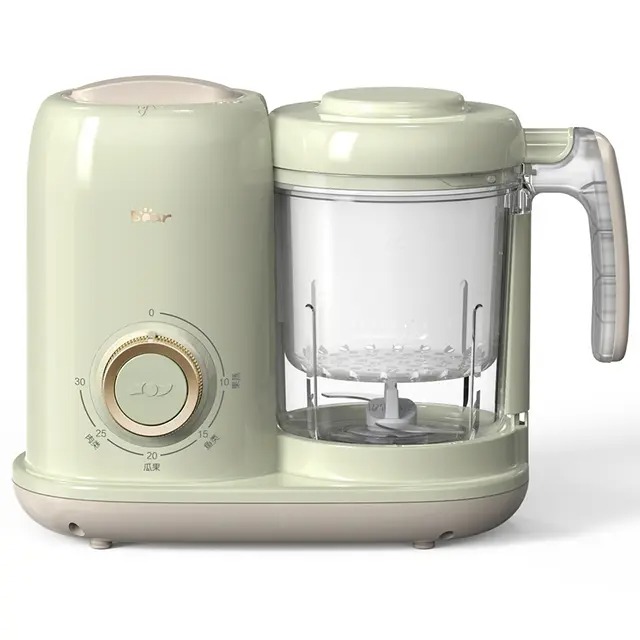
Almond milk made with a nut milk maker has a light, smooth texture. It feels fresh and slightly nutty on the palate. Because you control the water-to-almond ratio, you can make it thinner or creamier depending on your preference. Homemade almond milk tends to be less thick than store-bought versions, which often contain thickeners. The natural almond pulp left in small amounts adds a pleasant slight graininess that many enjoy, giving it a wholesome mouthfeel.
Oat milk created in a nut milk maker is naturally creamy and smooth. Its slightly viscous texture makes it ideal for coffee, especially lattes and cappuccinos, because it froths well and blends evenly without separating. For cooking, oat milk holds up nicely in sauces and soups due to its body and subtle sweetness. You can adjust the thickness by changing the oat soaking time or water amount in your nut milk maker. This flexibility helps achieve the perfect consistency for different recipes.
Coconut milk from a nut milk maker is rich and thick, especially when using fresh coconut meat. It has a luscious, velvety mouthfeel that adds depth to both sweet and savory dishes. The natural fats in coconut create a creamy texture that store-bought milks often mimic with additives. You can control how thick or light you want the milk by adjusting the coconut-to-water ratio. This milk is perfect for curries, desserts, and beverages needing a tropical richness.
Adjust water ratios: Use less water for creamier milk, more for lighter versions.
Soak nuts or oats properly: Soaking softens ingredients, improving blend and texture.
Pulse blending: Short bursts prevent over-processing, preserving texture.
Use fresh ingredients: Fresh nuts, oats, and coconut yield better mouthfeel.
Strain if preferred: Some nut milk makers have built-in filters; otherwise, use cheesecloth for smoother milk.
Experiment with blends: Mix nuts and oats for unique textures.
Clean machine regularly: Prevents residue buildup that can affect texture.
Tip: For creamier oat milk perfect for coffee, soak oats longer and reduce water slightly before processing in your nut milk maker.
Homemade almond milk made with a nut milk maker usually has lower protein compared to dairy or soy milk. It contains about 0.6 to 1 gram of protein per 100 ml, depending on how concentrated it is. The fat content is moderate, mostly healthy unsaturated fats, roughly 1.5 grams per 100 ml. Carbohydrates are very low, often under 1 gram, making it a good low-carb option. Since you control the ingredients, homemade almond milk typically has no added sugars unless you choose to add sweeteners.
Oat milk made fresh at home offers more carbohydrates than almond milk, usually around 5 grams per 100 ml. It has a mild natural sweetness from the oats’ starches. Protein content is modest, about 0.8 to 1 gram per 100 ml. Fat content is low to moderate, around 2 to 3 grams, mostly unsaturated. Oat milk is a good source of fiber, especially beta-glucans, which may help support heart health. Its natural sugars come from oats, so it’s not completely sugar-free but contains no added sugars unless added by you.
Coconut milk made with a nut milk maker is rich in saturated fats, about 2 grams per 100 ml, primarily medium-chain triglycerides (MCTs) that some studies suggest may boost metabolism. Protein content is very low, often less than 0.3 grams per 100 ml. Carbohydrates are also low, usually under 3 grams. Coconut milk contains antioxidants and lauric acid, which may support immune health. However, due to its saturated fat content, it’s best consumed in moderation. Homemade versions have no added sugars unless you add them yourself.
Most store-bought plant-based milks are fortified with calcium, vitamin D, and vitamin B12 to match dairy’s nutrient profile. Homemade milks lack this unless you add supplements separately. Calcium is vital for bone health, vitamin D supports calcium absorption and immune function, and B12 is crucial for nerve health and red blood cell formation. If you rely on homemade plant milks regularly, consider fortifying them by adding liquid calcium supplements or vitamin drops, or ensure your diet includes other sources of these nutrients.
Tip: To boost nutrition in homemade plant milks, try blending in nutrient-rich ingredients like chia seeds or adding a pinch of calcium powder during preparation in your nut milk maker.
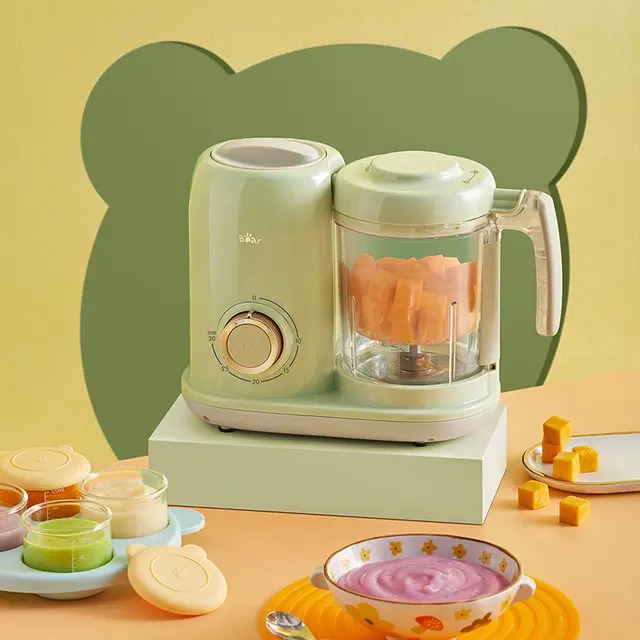
Making plant-based milk at home using a nut milk maker reduces environmental impact in several ways. First, it cuts down on the packaging waste that comes with store-bought cartons or bottles. You avoid single-use plastics and cardboard containers, which often end up in landfills or require energy-intensive recycling. Homemade milk also eliminates the carbon footprint linked to transporting packaged products from factories to stores and then to your home.Additionally, producing milk at home means you can buy ingredients in bulk or from local sources, which further reduces transportation emissions and packaging. You control how much milk you make, reducing food waste from unused or expired store-bought milk. Overall, homemade plant milk supports a more sustainable lifestyle by minimizing waste and energy use.
Each plant used for milk has a different environmental footprint, especially regarding water and land use:
Almonds: Almond farming requires a significant amount of water, often more than other nuts or crops. This can be a concern in drought-prone regions. However, almond trees also provide habitat for pollinators and can be grown sustainably with proper water management.
Oats: Oats are generally less water-intensive and grow well in cooler climates. They need less land and water compared to almonds and coconuts, making oat milk a more environmentally friendly choice in many cases.
Coconuts: Coconut palms thrive in tropical regions and require moderate water but more land area per unit of milk produced. Coconut farming can impact biodiversity if not managed sustainably, especially when forests are cleared for plantations.
By making milk at home, you can choose ingredients from sustainable farms or regions, supporting better environmental practices. Also, the ability to use leftover pulp in composting helps return nutrients to the soil, closing the loop in your kitchen.
Using a nut milk maker drastically reduces packaging waste. Instead of buying multiple cartons, you purchase raw nuts, oats, or coconut in bulk or reusable containers. This reduces single-use plastic and cardboard consumption. The leftover pulp from homemade milk can be repurposed in recipes or composted, further cutting down waste.Moreover, the nut milk maker itself is a durable appliance that supports repeated use over years. This contrasts with the continual need to buy packaged milk, which adds up to more waste and environmental burden. Choosing reusable glass bottles or jars to store your homemade milk also helps minimize plastic use.
Selecting the right plant milk aligns with your sustainability goals. If water conservation is a priority, oat milk may be preferable over almond milk. If you want to support tropical agriculture without excessive land clearing, choose coconut milk sourced from certified sustainable farms.Making milk at home with a nut milk maker gives you control over sourcing and quantity, reducing overconsumption and waste. It also encourages awareness of ingredient origins, promoting ethical and eco-friendly choices.By integrating homemade plant milks into your routine, you contribute to lowering carbon footprints, reducing packaging waste, and supporting sustainable agriculture. This small change at home can add up to a meaningful positive impact on the environment.
Tip: Source your nuts, oats, or coconuts from local or certified sustainable farms to maximize the environmental benefits of homemade plant milk using your nut milk maker.
Start with fresh, high-quality ingredients to ensure your homemade milk tastes great and is nutritious. For almonds, choose raw, unsalted nuts free of blemishes. Organic almonds can be a good choice if you want to avoid pesticides. Oats should be whole, preferably organic and gluten-free if you have sensitivities. Use fresh coconut meat or unsweetened dried coconut flakes for authentic flavor. Avoid pre-roasted or sweetened nuts and flakes, as these can alter taste and nutrition. Buying in bulk reduces packaging waste and often saves money.
Almond Milk:
Soak 1 cup of almonds in water for 8-12 hours or overnight to soften.
Drain and rinse almonds.
Add soaked almonds and 4 cups of fresh water to the nut milk maker.
Start the machine’s almond milk setting if available; otherwise, blend for 1-2 minutes.
The machine will strain the pulp automatically or you can strain manually using cheesecloth.
Pour milk into a clean container and refrigerate.
Oat Milk:
Soak 1 cup of rolled oats for 15-30 minutes to reduce sliminess.
Drain and rinse oats thoroughly.
Add oats and 4 cups of water to the nut milk maker.
Use the oat milk or grain milk setting or blend for about 1 minute.
Strain if you want a smoother texture; some prefer leaving it slightly thicker.
Store in the fridge.
Coconut Milk:
Use about 1 cup of fresh coconut meat or 1 cup unsweetened dried flakes.
Add coconut and 3-4 cups of warm water to the nut milk maker.
Select the coconut milk setting or blend for 1-2 minutes.
Strain if desired for smoother milk; homemade coconut milk is naturally thick.
Refrigerate immediately.
Homemade nut and grain milks lack preservatives, so store them in airtight glass containers in the refrigerator. Consume within 3-5 days for best freshness and safety. Shake well before use, as separation is natural. Avoid leaving milk at room temperature for extended periods. Label containers with the date made to track freshness. If milk develops an off smell, sour taste, or mold, discard immediately.
Grainy or pulpy milk: Soak ingredients longer or strain milk through a fine mesh or cheesecloth.
Slimy oat milk: Rinse soaked oats thoroughly and avoid over-soaking.
Milk too thin or watery: Reduce water amount or add more nuts/coconut for creaminess.
Milk too thick: Add more water and blend again briefly.
Machine not blending well: Clean blades and filters regularly to prevent clogging.
Off flavors: Use fresh ingredients and clean the machine after each use to avoid residue buildup.
Tip: Always soak nuts and oats for the recommended time and rinse well to improve milk texture and flavor when using your nut milk maker.
When choosing almond, oat, or coconut milk, consider your nutrition goals. Almond milk tends to be low in calories and protein but offers healthy fats. It’s great if you want fewer calories or a light option. Oat milk has more carbohydrates and moderate protein, making it a good energy source and suitable for those needing a bit more fuel. Coconut milk is richer in saturated fats but low in protein and carbs, so it’s ideal if you want creaminess and flavor but aren’t focused on protein intake.If protein matters most, almond and oat milk have modest amounts, but neither matches dairy or soy. For calorie-conscious diets, almond milk usually has the lowest calories, followed by coconut, then oat milk. Your nut milk maker lets you adjust water ratios to concentrate or dilute milk, tailoring calories and protein per serving.
Allergies or sensitivities influence milk choice. Almond milk isn’t suitable for those allergic to tree nuts. Oat milk may trigger reactions in people with gluten sensitivity unless you use certified gluten-free oats. Coconut milk is generally safe for nut allergies but some may react to coconut.Making milk at home with a nut milk maker allows full control over ingredients, avoiding cross-contamination or additives found in commercial products. This is especially helpful for people with allergies or intolerances. You can also experiment with blending different nuts or grains to find a safe, tasty option.
Taste varies widely between almond, oat, and coconut milk. Almond milk offers a mild, nutty flavor that’s subtle and versatile. Oat milk is creamy and slightly sweet, popular for coffee or cereal. Coconut milk has a rich, tropical taste that stands out in cooking and drinks.Your nut milk maker lets you customize flavor by adjusting ingredient ratios, soaking times, or adding natural sweeteners like dates or vanilla. You can make milk thicker or thinner, sweeter or more neutral, depending on your preference. This flexibility means you’re not stuck with one flavor profile and can tailor milk to suit different recipes or moods.
Homemade plant milks fit easily into many meals. Use almond milk for smoothies, light coffee, or cereal. Oat milk works well in coffee, baking, and creamy soups due to its texture. Coconut milk is perfect for curries, desserts, or tropical-flavored drinks.Because you control the ingredients, you can avoid added sugars or preservatives, making homemade milk a healthier choice. Store your milk in glass bottles in the fridge and shake before use. Try using leftover pulp in baking or cooking to reduce waste.Experiment with milk blends or add-ins like cinnamon or cocoa powder to keep your plant milk routine exciting. Homemade milk encourages creativity and helps you enjoy plant-based options tailored exactly to your taste and dietary needs.
Tip: Use your nut milk maker’s settings and ingredient ratios to customize plant milk thickness, sweetness, and flavor, matching your diet and recipe needs perfectly.
Choosing almond, oat, or coconut milk with a nut milk maker offers fresh taste, customizable texture, and tailored nutrition. Homemade milks provide natural flavors and reduce environmental impact by minimizing packaging waste. Using a nut milk maker lets you control ingredients, ensuring healthier, preservative-free milk suited to your needs. Experimenting with recipes enhances enjoyment and variety in your plant-based diet. www.bearappliance.com BEAR ELECTRIC APPLIANCE CO., LTD offers innovative nut milk makers that deliver convenience, quality, and sustainability for your homemade milk experience.
A: A nut milk maker is a kitchen appliance that soaks, blends, and strains nuts, grains, or seeds to produce fresh plant-based milk. For almonds, it soaks then blends; oats require less soaking; coconut milk uses fresh or dried coconut blended with water. It often has a built-in filter for easy pulp separation.
A: Using a nut milk maker lets you enjoy fresher, preservative-free milk with customizable thickness and sweetness. It reduces packaging waste and is cost-effective over time compared to store-bought milks, which often contain additives and preservatives.
A: To avoid grainy milk, soak nuts or oats longer and strain milk through a fine mesh or cheesecloth. For slimy oat milk, rinse soaked oats thoroughly and avoid over-soaking. Regularly clean your nut milk maker to maintain optimal blending.
A: Homemade milk from a nut milk maker has natural nutrients without additives but usually lacks fortification like calcium or vitamin D found in commercial milks. You can boost nutrition by adding supplements or nutrient-rich ingredients during preparation.
A: Nut milk makers vary in price, generally ranging from affordable to premium models. Considering the savings from making milk at home and the benefits of freshness, customization, and reduced waste, investing in a nut milk maker is often worthwhile.


