
Author: Site Editor Publish Time: 2026-07-09 Origin: Site
Are you tired of store-bought nut milks with additives? A nut milk maker lets you create fresh, pure milk at home. In this post, you’ll learn what a nut milk maker is, its benefits, and how homemade milk outshines store options.
Choosing the right nut milk maker means focusing on features that match your lifestyle and needs. Here are the main aspects to consider:
A good nut milk maker should last for years. Look for machines made from sturdy materials like stainless steel or BPA-free plastic. These resist wear and tear, especially if you plan to use the device often. A solid build also means fewer breakdowns and less hassle with repairs.
Nobody wants a complicated machine or one that’s tough to clean. Choose a nut milk maker with simple controls—ideally, one-button operation or clear touchscreen menus. Also, check if parts are dishwasher safe or easy to rinse. Self-cleaning features are a big plus, saving you time and effort after making your milk.
Think about how much nut milk you consume regularly. Some machines make single servings, perfect for one person. Others handle larger batches, ideal for families or meal prepping. Capacity varies from about 1 cup to 2 liters. Pick a size that fits your consumption habits to avoid waste or repeated cycles.
Nut milk makers come in a wide price range, from around $100 to over $700. Higher-priced models often offer extra features like smart technology, faster processing, or multi-functionality. However, mid-range models can deliver excellent results without breaking the bank. Balance your budget with the features you really need.
A solid warranty shows the brand stands behind its product. Look for machines with at least a one-year warranty. Also, check customer service reviews. Responsive support can make a big difference if you face issues or need replacement parts.
Note: Prioritize ease of cleaning when selecting a nut milk maker, as a hassle-free cleanup encourages regular use and better hygiene.
Choosing the right nut milk maker means knowing what’s out there. Here’s a look at some of the top models, each with unique features to fit different needs and budgets.
Almond Cow stands out for speed and simplicity. It makes fresh nut milk in less than a minute using just a single button. No need for extra filtering or emulsifying. The machine works well for almonds, cashews, coconuts, and more. It comes with a glass jug that’s perfect for fridge storage. Plus, cleaning is a breeze thanks to minimal parts and a handy brush included. Priced around $250, it’s a great mid-range option for quick, fresh milk.
Nutr offers a budget-friendly choice ideal for single servings. It weighs just 3 pounds and fits small kitchens or travel bags easily. The machine has three blend settings and a self-cleaning function, making it super convenient. Priced near $169, it’s perfect for individuals who want fresh milk without making large batches. Great for almond or oat milk lovers looking for a compact, easy-to-use device.
If you want a high-tech option, GROWUP’s nut milk maker uses AI to blend different plant bases perfectly. It has a touchscreen menu and automated milk extraction that separates pulp efficiently. This machine handles nine types of plant milk, adjusting blending time for the best texture. Dishwasher-safe parts and a clean function make maintenance simple. Priced around $250, it’s an excellent choice for those who want smart features and precise control.
Soyabella® is a versatile machine that can make raw, unheated nut milk as well as heated versions. It also prepares soups, cereals, and nut creams. With a patented grinder design and safety features, it’s reliable and easy to clean. It makes up to 5.5 cups per batch and costs about $109. This model suits those wanting more than just nut milk from their appliance.
For big batches, Bonavita is the go-to. It produces up to 2 liters in under 12 minutes. Its BPA-free design and commercial testing ensure safety and durability. Perfect for coffee shops or families that consume a lot of nut milk. Dishwasher-safe and backed by a one-year warranty, it costs around $500. A solid investment for heavy users or small businesses.
Milky Plant appeals to international users with compatibility across UK, EU, and USA power standards. It makes milk in less than three minutes and features self-cleaning. The brand supports environmental causes, planting trees for every purchase. Priced about £340, it offers a sleek design and a savings calculator to track money saved versus store-bought milk. Ideal for eco-conscious consumers seeking convenience.
Vitamix A3500 is more than a nut milk maker; it’s a high-end blender with five preset programs and self-cleaning. It features touchscreen controls, wireless connectivity, and a 10-year warranty. Though priced near $700, it blends smoothies, soups, dips, and nut milk with ease. Perfect for families wanting a versatile kitchen tool that handles multiple tasks.
Note: When choosing a nut milk maker, consider how much milk you consume daily and the machine’s ease of cleaning—these factors impact long-term satisfaction and use.
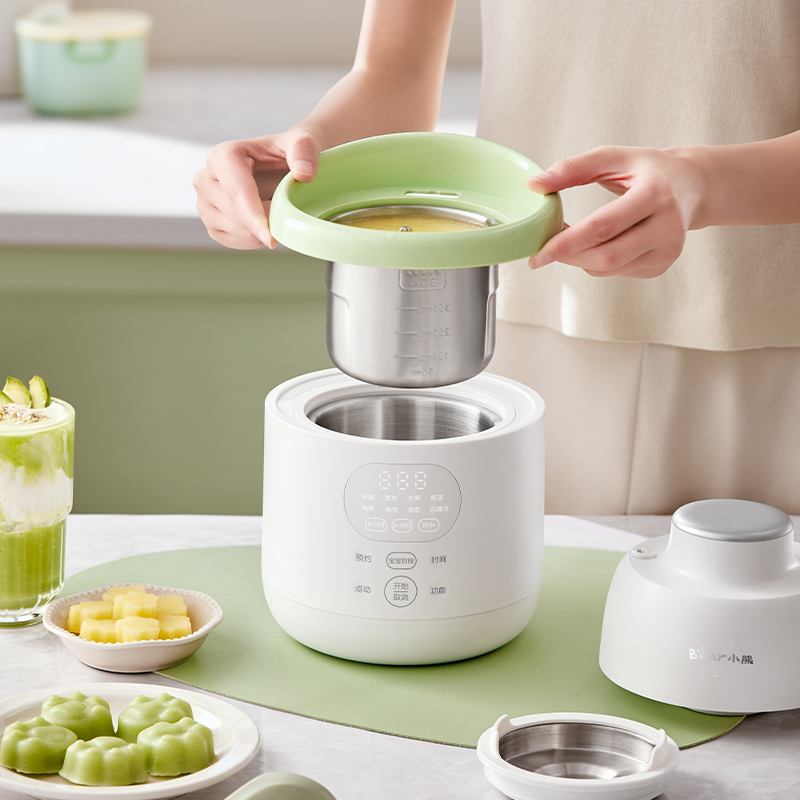
Choosing the perfect nut milk maker means matching the machine to your lifestyle, budget, and kitchen space. Here’s a detailed look at key considerations:
Think about how much nut milk you drink daily or weekly. If you’re the only one using it, a single-serve model like Nutr might be ideal. For families or heavy users, machines with larger capacity such as Bonavita or Vitamix A3500 work better. Also, consider how often you want to make milk—larger batches reduce the number of cycles but may take more fridge space.
Nut milk makers range from around $100 to $700 or more. Decide how much you want to invest. Budget-friendly options like Soyabella offer great value for basic needs. Mid-range models such as Almond Cow and GROWUP provide extra convenience and smart features. High-end blenders like Vitamix A3500 offer versatility beyond nut milk but come with a premium price. Balance cost against features you’ll actually use.
Do you want a quick, no-fuss machine? Almond Cow makes milk in under a minute with simple controls. Prefer smart tech? GROWUP’s AI-powered blending adjusts for different nuts and seeds. Need portability? Nutr’s compact design fits small spaces and travel bags. Also, check if the machine can handle other tasks like making soups or nut creams, especially if you want multi-functionality.
A good warranty protects your investment. Look for at least a one-year warranty; Vitamix offers up to ten years. Responsive customer support helps if parts break or you have questions. Reading customer reviews can reveal how brands handle service issues. Choosing a brand with solid support ensures peace of mind.
Measure your available counter or storage space. Smaller machines fit tight kitchens or travel well. Larger models might need dedicated spots but can produce more milk faster. Also, consider the weight if you plan to move or store the machine often. Features like dishwasher-safe parts and self-cleaning functions save space and effort in maintenance.
Tip: Match your nut milk maker’s capacity and features to your daily habits and kitchen size to ensure consistent use and satisfaction.
Making nut milk at home requires just a few simple ingredients:
Nuts or seeds: Almonds, cashews, hazelnuts, or sunflower seeds work well.
Water: The base liquid to blend with nuts.
Optional flavorings: Vanilla extract, a pinch of salt, dates, or maple syrup add taste.
Optional fortifiers: Calcium or vitamin D powders can boost nutrition.
Using raw or soaked nuts often yields creamier milk. Soaking softens nuts, making them easier to blend and digest.
Soak nuts: Soak 1 cup of nuts in water for 6-12 hours or overnight.
Drain and rinse: Drain nuts, rinse well.
Blend: Add nuts and 3-4 cups of fresh water to your nut milk maker or blender.
Flavor: Add vanilla, salt, or sweetener if desired.
Process: Run your machine until smooth and creamy.
Strain (if needed): Some machines filter pulp automatically; otherwise, use a nut milk bag or fine sieve.
Store: Pour milk into a clean container and refrigerate. Use within 3-5 days.
Homemade nut milk often lacks the calcium and vitamin D found in commercial brands. To fortify:
Add calcium carbonate or vitamin D powder supplements during blending.
Use fortified plant-based milk powders or blends designed for DIY milk.
Ensure supplements dissolve well to avoid gritty texture.
Consult nutrition labels or a dietitian to balance your intake.
Don’t waste the leftover pulp! It’s full of fiber and nutrients. Ideas include:
Add to smoothies or oatmeal for extra texture.
Bake into cookies, muffins, or energy bars.
Mix into veggie burgers or meatloaf as a binder.
Dry and grind into flour for baking.
Use in homemade granola or nut-based crackers.
Keep your machine in top shape by cleaning after each use:
Disassemble removable parts for thorough washing.
Rinse immediately to prevent residue buildup.
Use warm soapy water or dishwasher-safe parts if applicable.
Run self-cleaning cycles if your model has one.
Clean filters or strainers carefully to avoid clogging.
Regularly check seals and blades for wear and replace as needed.
Proper maintenance extends the machine’s life and ensures hygienic milk production.
Tip: Always soak nuts overnight before blending to achieve creamier, smoother nut milk with less pulp.
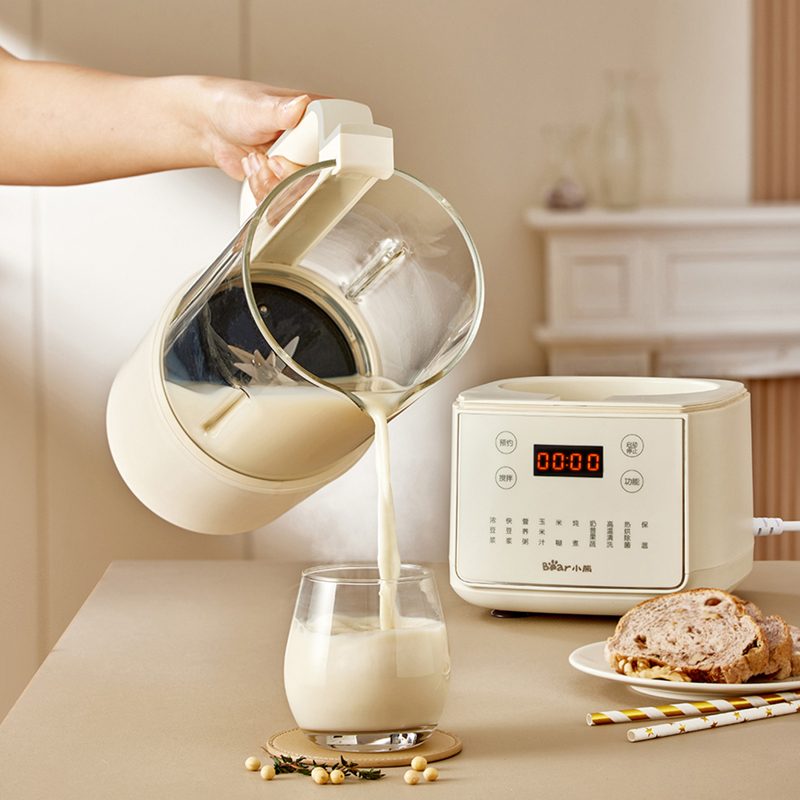
Homemade nut milk offers fresh, wholesome nutrition without unwanted additives. It retains the natural vitamins, minerals, and healthy fats from nuts or seeds. You control the ingredients, so no added sugars or preservatives sneak in. Plus, fresh nut milk contains good fats like omega-3s and antioxidants that support heart and brain health. Making milk at home also means enjoying it at its freshest, preserving nutrients that may degrade in store-bought versions.
Store-bought nut milks often contain stabilizers, emulsifiers, and preservatives to extend shelf life. They may also have added sugars or artificial flavors. Additionally, commercial products usually dilute nuts heavily, so nutrient content can be low. Homemade nut milk is richer in flavor and nutrients because you control the nut-to-water ratio. However, unlike many commercial brands, homemade versions usually lack fortification with calcium or vitamin D unless you add them yourself.
Since homemade nut milk lacks industrial fortification, consider adding calcium and vitamin D supplements if you rely on it as a dairy alternative. You can mix powdered calcium carbonate or vitamin D3 directly into the milk during blending. Some brands offer fortified blends specifically for DIY nut milk. Alternatively, ensure your diet includes other sources of these nutrients or supplements. This approach helps maintain bone health and supports overall wellness.
One key advantage of homemade nut milk is freedom from additives and preservatives common in store-bought varieties. No emulsifiers, stabilizers, or artificial ingredients dilute purity or cause digestive issues. This makes homemade milk ideal for those with allergies, sensitivities, or who prefer clean eating. It also means you taste the pure, natural flavor of nuts or seeds without chemical aftertastes.
Homemade nut milk suits many dietary lifestyles, including vegan, paleo, keto, and gluten-free. You can customize recipes to avoid allergens or unwanted ingredients. For example, use coconut or hemp seeds for nut allergies. Adjust sweetness or add flavorings to fit personal preferences. Homemade milk also fits low-carb or low-sugar diets better than many commercial options. This flexibility supports diverse health goals and dietary restrictions.
Tip: To boost nutrition, add powdered calcium and vitamin D supplements during blending to homemade nut milk, ensuring it meets your dietary needs.
Soaking nuts is usually recommended. It softens them, making blending easier and producing creamier milk. Soaked nuts release more flavor and nutrients, and the milk has a smoother texture. Most recipes suggest soaking for 6 to 12 hours or overnight. However, some nut milk makers, like Almond Cow or GROWUP, can handle unsoaked nuts but may produce a grainier texture. Soaking also helps reduce phytic acid, which improves digestion.
Yes, many nut milk makers handle seeds and grains well. You can use sunflower seeds, hemp seeds, oats, or even quinoa to create different plant milks. Machines like GROWUP and Soyabella are versatile enough for these ingredients. Keep in mind that grains like oats may produce a thicker, creamier milk but might require extra rinsing or filtering to avoid sliminess. Always check your machine’s guidelines to ensure compatibility.
Homemade nut milk typically lasts 3 to 5 days in the refrigerator. Keep it in a sealed container and store it at 40°F (4°C) or below. Because it lacks preservatives, it spoils faster than store-bought milk. Always smell and taste before use. If it smells sour or has a strange texture, discard it. To extend shelf life, some add natural preservatives like a pinch of salt or a few drops of lemon juice.
Most modern nut milk makers are designed for easy cleaning. Models like Almond Cow and Nutr have dishwasher-safe parts or self-cleaning functions. Cleaning right after use prevents pulp from drying and clogging filters. Disassemble removable parts and rinse thoroughly. Machines with self-clean cycles save time and effort. Proper cleaning maintains hygiene and prolongs the machine’s lifespan.
Initial investment in a nut milk maker can be higher than buying store milk. However, homemade nut milk often costs less per serving over time. Buying nuts in bulk and making your own milk reduces expenses. Plus, you avoid additives and control ingredient quality. For frequent users, savings add up quickly. Consider your consumption habits and budget to decide if it’s cost-effective for you.
Tip: Always rinse and clean your nut milk maker immediately after use to prevent residue buildup and ensure the best milk flavor.
Nut milk makers offer fresh, nutritious alternatives for a dairy-free lifestyle. Choosing one depends on durability, ease of use, and batch size. Homemade nut milk lets you control ingredients and avoid additives. BEAR ELECTRIC APPLIANCE CO., LTD provides reliable products designed for convenience and quality. Their machines help you enjoy healthy, homemade nut milk effortlessly. Prioritize features like self-cleaning and capacity to match your needs and kitchen space. Embrace the benefits of fresh, preservative-free nut milk today.
A: A nut milk maker is a kitchen appliance designed to blend nuts and water into fresh, homemade nut milk. It simplifies the process by automating blending and sometimes filtering, producing creamy milk quickly.
A: Consider factors like durability, ease of cleaning, batch size, price, and warranty. Match the machine’s capacity and features to your consumption habits and kitchen space for the best fit.
A: Nut milk makers let you control ingredients, avoid additives, and save money over time. Homemade milk is fresher, more nutritious, and customizable to dietary needs.
A: Yes, many models feature dishwasher-safe parts or self-cleaning functions, making cleanup simple and encouraging regular use.
A: Prices range from around $100 to $700, depending on features and capacity. Mid-range models offer great value for most users.


