
Author: Site Editor Publish Time: 2026-07-02 Origin: Site
Craving fresh, creamy plant-based milk at home? A nut milk maker makes it easy and fun. It blends nuts, seeds, and grains into delicious milk. In this post, you’ll learn how to use your nut milk maker and discover seven tasty plant-based milk recipes.
Preparing nuts and seeds properly ensures smooth, creamy milk and maximizes flavor. Start by soaking them in water for several hours or overnight. This softens the nuts, making them easier to blend and helps remove enzyme inhibitors and phytic acid, which can interfere with digestion. For example, almonds typically soak for 8 to 12 hours, while cashews require less time—about 2 to 4 hours—because they are softer.After soaking, rinse the nuts or seeds thoroughly under cool running water. This step washes away any residues and prepares them for the next step. If you want a thinner milk, you can soak for a shorter time, but longer soaking generally produces creamier results.
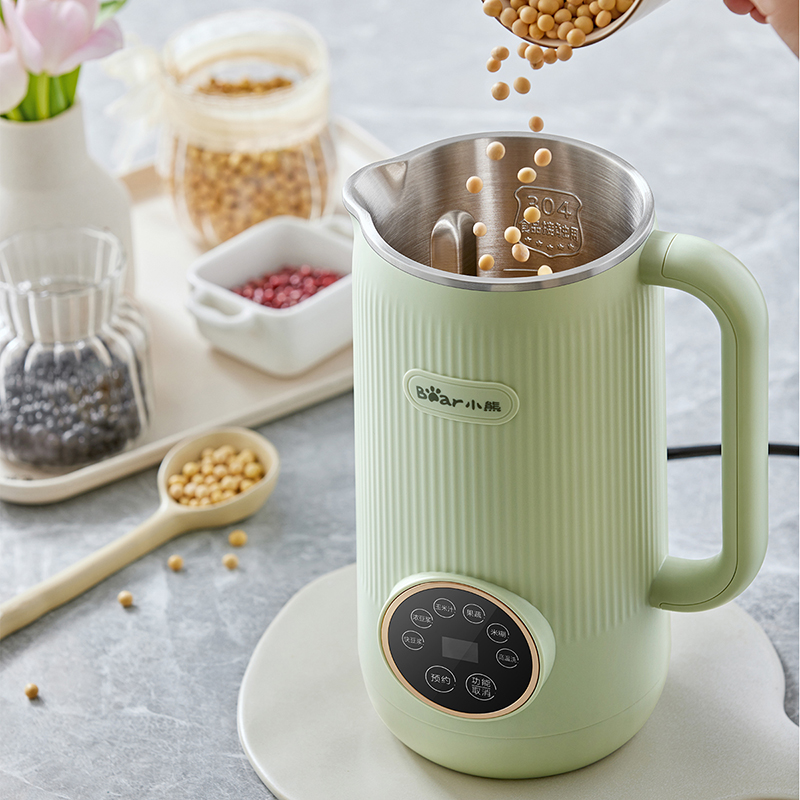
Making almond or cashew milk with your nut milk maker is straightforward. Follow these steps:
Measure Nuts: Use about 1 cup of soaked almonds or cashews for every 4 cups of water. Adjust water for desired thickness.
Load Machine: Place the soaked nuts in the nut milk maker’s filter basket or chamber.
Add Water: Pour filtered water into the machine’s reservoir according to the manufacturer’s instructions.
Start the Machine: Activate the machine to blend and strain the nuts. The process usually takes 10 to 15 minutes.
Collect Milk: Fresh milk will collect in the machine’s container, while the nut pulp remains in the filter.
Taste and Adjust: Taste the milk and add sweeteners like dates or vanilla if desired. Blend again briefly if adding flavorings.
You can store fresh almond or cashew milk in a sealed container in the refrigerator for up to 3 to 4 days. Shake before use, as natural separation occurs.
Proper cleaning keeps your nut milk maker running efficiently and prevents bacterial buildup. Here are some tips:
Clean Immediately: Rinse the machine parts right after use to prevent residue from drying and clogging filters.
Disassemble Parts: Remove all detachable parts like filters, strainers, and reservoirs for thorough cleaning.
Use Mild Soap: Wash parts with warm water and mild dish soap. Avoid harsh chemicals or abrasive sponges that can damage components.
Check Filters: Inspect the filter basket or mesh regularly. Replace it if you notice tears or extreme clogging.
Dry Completely: Let all parts air dry fully before reassembling to prevent mold growth.
Deep Clean Weekly: Soak filters and removable parts in a vinegar-water solution (1:3 ratio) weekly to remove mineral buildup and odors.
Following these steps will extend your nut milk maker’s lifespan and ensure every batch tastes fresh and clean.
Tip: Soak nuts overnight and rinse well for smoother milk and easier blending in your nut milk maker.
Capture the cozy flavors of fall in a glass. Apple Crumble Almond Milk blends creamy almonds with sweet, tart apple cider and warm spices like cinnamon and nutmeg. To make it:
Soak 1 cup almonds overnight and rinse.
Add almonds, 3 cups apple cider, 1 tsp cinnamon, ½ tsp nutmeg, and 2 tbsp brown sugar to the nut milk maker.
Blend and strain as usual.
Chill before serving for a refreshing, dessert-inspired drink.
This milk tastes like a warm apple crumble and works great in oatmeal or coffee.
For a smooth, slightly sweet milk, try Coconut Rice Milk. It uses just four simple ingredients:
½ cup cooked white rice
½ cup shredded unsweetened coconut
3 cups water
1 tbsp maple syrup (optional)
Add all to your nut milk maker and process until creamy. This milk is perfect for cereals or smoothies, offering a gentle tropical flavor and a creamy texture.
Combine the nostalgia of cookies and milk in a glass. This recipe uses:
1 cup soaked cashews
3 cups water
2 tbsp cacao nibs or dark chocolate chips
1 tsp vanilla extract
2 dates for sweetness
Blend everything in the nut milk maker. The result is a creamy, chocolatey milk that tastes just like a chocolate chip cookie. Kids and adults alike will love this playful drink.
Boost your protein intake with this Muscle Milk recipe, ideal for workouts or quick snacks. Ingredients include:
1 cup soaked almonds
½ cup cooked quinoa
3 cups water
2 tbsp hemp seeds
1 tbsp peanut butter
Pinch of salt
Blend all in your nut milk maker. This milk delivers a rich, nutty flavor packed with protein and healthy fats, perfect for recovery or energy.
This elegant milk combines fragrant orange blossom water with rich pistachios:
1 cup soaked pistachios
3 cups water
1 tbsp orange blossom water
2 medjool dates
Blend and strain. The floral aroma and nutty taste make this milk a delightful addition to tea or desserts.
Brighten your day with Raspberry Milk:
1 cup soaked cashews
3 cups water
½ cup fresh or frozen raspberries
1 tbsp maple syrup
Process in the nut milk maker until smooth. This pink-hued milk is refreshing and slightly tart, great for a breakfast boost or a snack.
Enjoy the warm spices of snickerdoodle cookies in liquid form. Ingredients:
1 cup soaked almonds
3 cups water
1 tsp cinnamon
1 tsp vanilla extract
2 dates
Blend all in your nut milk maker. This milk offers a cozy, sweet flavor perfect for sipping or adding to baked goods.
Tip: For best flavor, soak nuts overnight and use filtered water when making these recipes in your nut milk maker.
When making plant-based milk, adding natural sweeteners and spices can elevate flavor without artificial additives. Dates, maple syrup, and honey (for non-vegan options) add gentle sweetness and depth. For example, 2-3 pitted dates blended into almond milk provide a smooth, caramel-like taste.Spices such as cinnamon, nutmeg, vanilla extract, and cardamom bring warmth and complexity. A teaspoon of cinnamon or a splash of vanilla extract can transform plain nut milk into a comforting drink. Experiment with combinations for seasonal flavors—like pumpkin spice in fall or ginger and turmeric for a spicy kick.These additions not only enhance taste but also contribute antioxidants and subtle health benefits. Always add sweeteners and spices after the initial blending cycle in your nut milk maker to ensure even mixing and avoid clogging filters.
Blending various nuts and grains unlocks exciting flavor profiles and textures. Mixing almonds with oats creates a creamy, slightly sweet milk, while cashews combined with hemp seeds yield a rich, protein-packed option.Try combinations like:
Almonds + oats for a balanced, smooth milk
Cashews + sunflower seeds for a nutty, mild flavor
Pistachios + rice for a delicate, fragrant milk
Hazelnuts + quinoa for a robust, earthy taste
Grains such as oats, rice, and quinoa add natural sweetness and body. They also boost fiber content, making the milk more filling. Use soaked nuts and cooked grains for best results. Adjust water ratios to maintain desired thickness when combining ingredients.These blends fit various uses—from drinking straight to adding in coffee, cereals, or baking recipes. Using your nut milk maker, you can customize blends to suit your palate and nutritional needs.
Superfoods and nutrient-dense powders are easy to incorporate into plant-based milk for a health boost. Adding spirulina, maca powder, matcha, or cacao powder can enhance flavor and deliver antioxidants, vitamins, and minerals.For example:
Spirulina: Adds a mild earthy flavor and a rich source of protein and iron.
Maca powder: Offers a nutty taste and supports energy and hormone balance.
Matcha: Imparts a vibrant green color, caffeine, and powerful antioxidants.
Cacao powder: Provides chocolate flavor and mood-enhancing compounds.
Add these powders after the main blending cycle to avoid clumping. Start with small amounts (1 teaspoon or less) and increase based on taste preference. Mixing superfoods into your homemade milk turns a simple drink into a functional beverage.Additionally, you can blend in chia seeds, flaxseeds, or hemp hearts for omega-3 fatty acids and fiber. Just remember to stir or shake your milk before drinking, as seeds may settle.
Tip: Add natural sweeteners and spices after blending nuts to prevent filter clogging and achieve even flavor distribution in your nut milk maker.
Homemade nut milk adds creaminess and nutrition to smoothies and shakes. Use almond, cashew, or coconut milk as a base instead of dairy or store-bought alternatives. Their natural flavors blend well with fruits like bananas, berries, or mangoes. For example, combine 1 cup of homemade almond milk, 1 banana, and a handful of spinach for a refreshing green smoothie. Add protein powders or nut butters for extra energy.Nut milks also work great in dessert shakes. Try blending chocolate chip cookie milk with frozen bananas and a splash of vanilla for a rich treat. The smooth texture from freshly made nut milk gives shakes a satisfying mouthfeel without added preservatives or sugars.
You can easily substitute homemade plant-based milk in many baking and cooking recipes. Use it in pancakes, muffins, or bread for added moisture and flavor. Almond milk enhances nutty baked goods, while coconut rice milk adds a subtle tropical note to cakes or puddings.In savory dishes, nut milk can replace cream or milk in sauces, soups, and curries. For instance, creamy coconut rice milk works well in Thai curries or vegetable soups, creating a luscious texture without dairy. Cashew milk also makes a great base for vegan cheese sauces or creamy pasta dishes.When baking, remember homemade nut milk may be less thick than cow’s milk, so adjust liquid amounts slightly. Freshness matters too—use your milk within 3-4 days for best results.
Nut milk is excellent for vegan coffee and tea drinks. Its creamy texture froths nicely for lattes and cappuccinos. Almond or cashew milk pairs well with espresso, while coconut milk adds richness to chai or matcha tea.Try warming your homemade nut milk gently before adding it to coffee or tea. This brings out its natural sweetness and enhances flavor. You can also infuse milk with spices like cinnamon or vanilla during blending for a cozy twist.For iced drinks, chill your nut milk first and pour over cold brew or iced tea. The fresh taste of homemade milk elevates these beverages, making them a perfect dairy-free treat.
Tip: Use homemade nut milk as a versatile ingredient in smoothies, baking, and drinks to add natural flavor and creamy texture without artificial additives.

Plant-based milks offer diverse nutrients depending on the nuts, seeds, or grains used. Almond milk is low in calories and fat but rich in vitamin E, a powerful antioxidant. Cashew milk provides healthy fats and minerals like magnesium and zinc. Coconut milk contains medium-chain triglycerides (MCTs), which may support energy and metabolism.Oat milk delivers fiber and B vitamins, while rice milk is naturally sweet and easy to digest but lower in protein. Pistachio milk offers antioxidants and heart-healthy fats. Each type has a unique nutritional profile, so choosing one depends on your dietary needs.Homemade nut milks keep nutrients intact without additives or preservatives. They usually contain more protein and fiber than many store-bought versions, especially if you include whole nuts and seeds during preparation.
Homemade nut milk made in your nut milk maker stands out for freshness and control over ingredients. You avoid added sugars, stabilizers, and artificial flavors common in commercial products. This means fewer calories and no unwanted chemicals.Store-bought milks often contain added vitamins like calcium and vitamin D to match cow’s milk nutrition. Homemade versions may lack these unless you fortify them yourself. However, homemade milk usually has better taste and texture, plus you can customize sweetness and flavor.Homemade nut milk also reduces packaging waste and environmental impact. It’s a sustainable option that supports health and planet-friendly choices.
Allergies influence nut milk choices. Tree nut allergies exclude almond, cashew, pistachio milk, but options like oat, rice, or hemp milk remain safe. Soy milk is another alternative for those without soy allergies.Your nut milk maker lets you create blends tailored to dietary restrictions. For example, combine oats and sunflower seeds for a nut-free milk, or mix hemp and quinoa for a protein boost. You can also adjust thickness by changing water ratios.Customizing your milk helps accommodate lactose intolerance, vegan diets, or other health needs. Always label homemade milk clearly if sharing, to prevent allergen exposure.
Tip: Regularly rotate nut and seed varieties in your homemade milk to enjoy a broad spectrum of nutrients and minimize allergy risks.
Making plant-based milk at home is fun, but sometimes issues pop up. Here are some common problems and easy fixes:
Milk is grainy or gritty: This usually means nuts or seeds weren’t soaked long enough or the machine didn’t blend well. Soak nuts overnight and ensure your machine runs for the full cycle. Strain milk again if needed.
Milk tastes bitter or sour: Over-soaking nuts or using old nuts can cause off-flavors. Use fresh nuts and soak for recommended times. Rinse nuts well after soaking.
Milk is too thin or watery: You might have added too much water or used fewer nuts. Use the right nut-to-water ratio, like 1 cup nuts to 4 cups water. For creamier milk, reduce water or add soaked cashews.
Milk separates quickly: Natural separation happens. Shake well before use. To slow separation, add a small amount of sunflower lecithin or blend in a pinch of xanthan gum.
Machine clogs or stops mid-cycle: Overloading nuts or adding thick ingredients can clog filters. Avoid adding thick pastes or powders during blending. Clean filters regularly.
Milk has pulp or nut bits: Some machines leave pulp behind. Pour milk through a fine mesh strainer or nut milk bag for smoother texture.
Fresh nut milk lasts about 3 to 4 days in the fridge. Follow these tips to keep it fresh longer:
Store milk in airtight glass containers to prevent odors and contamination.
Keep milk cold, ideally below 40°F (4°C).
Shake milk before each use to recombine natural separation.
Avoid leaving milk out at room temperature for more than 2 hours.
Freeze leftover milk in ice cube trays for up to 2 months. Thaw in the fridge and shake well before using.
Label containers with the date made to track freshness.
Customizing your plant-based milk is easy. Here’s how to adjust thickness and taste:
Thicker milk: Use more nuts or less water. Add soaked cashews for creaminess.
Thinner milk: Increase water or soak nuts less time.
Sweeter milk: Add natural sweeteners like dates, maple syrup, or honey after blending.
Flavor variations: Add vanilla extract, cinnamon, nutmeg, or citrus zest for extra taste.
Protein boost: Blend in hemp seeds, pea protein, or cooked quinoa.
Nut-free options: Use oats, rice, or seeds like sunflower or pumpkin.
Experiment by adjusting ingredient amounts and blending times until you find your perfect milk. Keep notes on your favorite combinations for easy future batches.
Tip: Always rinse and clean your nut milk maker immediately after use to prevent clogging and maintain smooth operation over time.
Using a nut milk maker allows you to create fresh, healthy plant-based milks with ease. The recipes offer diverse flavors and nutritional benefits. Experimenting with different nuts, grains, and natural sweeteners unlocks endless possibilities. To maximize your experience, soak nuts properly, clean the machine promptly, and adjust recipes to your taste. BEAR ELECTRIC APPLIANCE CO., LTD provides reliable nut milk makers designed for convenience and quality, helping you enjoy delicious homemade milk every day.
A: A nut milk maker is a kitchen appliance that blends and strains nuts, seeds, or grains with water to create smooth, plant-based milk efficiently.
A: Soak nuts overnight (8-12 hours for almonds, 2-4 hours for cashews), rinse well, and then add to your nut milk maker with water for the creamiest milk.
A: Using a nut milk maker gives you fresh, customizable milk without additives, preservatives, or excess sugar, plus it’s eco-friendly and cost-effective.
A: Ensure nuts are soaked long enough, run the full blending cycle, and strain again if needed to avoid grainy texture.
A: Nut milk makers typically range from $50 to $150, depending on features and brand quality.
A: Rinse parts immediately after use, wash with mild soap, dry fully, and deep clean filters weekly with vinegar solution to prevent clogging.
A: Yes, add natural sweeteners like dates or maple syrup and spices such as cinnamon or vanilla after blending for enhanced flavors.


 k Maker Usage and Tips for Beginners

