
Author: Site Editor Publish Time: 2025-11-05 Origin: Site
Imagine never worrying about germs in your baby's bottles again. Baby bottle sterilizing is crucial for infants' health. But which sterilizer is best? In this post, you'll learn about the multifunctional baby bottle sterilizer with a kettle, comparing it to traditional methods. Discover which option offers more value for busy parents seeking efficiency and safety.
Multifunctional baby bottle sterilizers combine several essential functions into one device, making them a versatile choice for busy parents. Typically, these sterilizers offer steam sterilization, drying, bottle warming, and even food dehydration. Some models include storage features that keep bottles sterile for extended periods, reducing the need for frequent re-sterilization. The design often incorporates adjustable racks or modular components, allowing users to customize the setup based on their needs. Many of these sterilizers are compatible with both plastic and glass bottles, and some can handle multiple accessories like nipples, pacifiers, and pump parts simultaneously.
Compared to traditional sterilizers, multifunctional units offer significant advantages. Firstly, they save space by combining several functions in one appliance, reducing the need for multiple devices. This is especially beneficial for small kitchens or nurseries with limited counter space. Secondly, they enhance convenience—parents can sterilize, dry, and warm bottles without switching between different machines or methods. The automation features, like auto-drying and long-term storage, streamline daily routines. Additionally, these sterilizers often have faster cycle times, enabling parents to prepare bottles quickly, which is crucial during nighttime feedings. The ability to handle larger capacities also means fewer loads per day, saving time and effort.
The kettle function is a standout feature in many multifunctional sterilizers. It allows parents to boil water directly within the device, serving multiple purposes. For example, boiling water can be used for sterilizing bottles, nipples, and other accessories, ensuring high-temperature sanitation. It also provides hot water for warming bottles or preparing formula, eliminating the need for separate kettles or microwave heating. This integrated approach simplifies the feeding process, making it more efficient. Moreover, some models use the kettle function to generate steam for sterilization, ensuring thorough germ elimination. The convenience of having a built-in kettle reduces clutter, saves time, and enhances safety by controlling water temperature precisely within the device.
Traditional baby bottle sterilizers mainly fall into three categories: electric steam sterilizers, microwave sterilizers, and boiling methods. Electric steam sterilizers are countertop appliances that use electric heating elements to generate steam, which circulates around bottles and accessories. These models often come with racks or baskets to organize items and can handle multiple bottles at once, making sterilization quick and efficient. They typically feature automatic shut-off and sometimes drying functions.
Microwave sterilizers are usually plastic containers with a lid and racks designed to fit inside a microwave oven. They work by boiling water to produce steam, sterilizing bottles and parts in just a few minutes. These are portable, space-saving, and generally more affordable but may have limited capacity depending on their size.
Boiling methods involve placing bottles and accessories in a large pot of boiling water on the stove. This traditional technique is simple, inexpensive, and doesn't require special equipment. However, it takes more time, demands close supervision, and offers less control over sterilization conditions.
Electric Steam Sterilizers
Pros:
Quick and effective at killing germs
Large capacity for multiple bottles
Easy to operate with automated features
Some models include drying functions
Cons:
Takes up counter space
Higher initial cost
Requires electricity and regular cleaning to prevent mineral buildup
Microwave Sterilizers
Pros:
Portable and compact
Fast sterilization (about 3-8 minutes)
Cost-effective
Easy to use with minimal setup
Cons:
Limited capacity
Dependent on microwave wattage
Plastic parts may degrade over time
No drying function
Boiling Method
Pros:
Very inexpensive
No special equipment needed
Effective at sterilizing
Cons:
Time-consuming (about 10-15 minutes)
Less control over sterilization temperature
Bottles need to be dried thoroughly afterward
Risk of bottles cracking if not handled properly
| Method | Capacity | Cycle Time | Ease of Use | Maintenance Needs |
|---|---|---|---|---|
| Electric Steam | Up to 8-16 bottles, accessories | 6-15 minutes | Very easy, automated | Regular descaling, cleaning |
| Microwave | 4-8 bottles, depending on size | 3-8 minutes | Very simple, portable | Minimal, just wash racks |
| Boiling | Any number, limited by pot size | 10-15 minutes | Manual, supervision needed | Regular cleaning of pot |
Electric sterilizers excel in capacity and efficiency, especially for busy households with multiple bottles. They save time and reduce manual effort but require space and an initial investment. Microwave sterilizers are great for quick, on-the-go sterilization, suitable for travel or small households. Boiling remains a reliable, budget-friendly option but demands more time and attention.
In choosing between these options, consider your household size, available space, budget, and how often you need to sterilize bottles. For high-volume needs, electric sterilizers often provide the best balance of capacity and convenience. For occasional use or travel, microwave sterilizers or boiling may suffice.
Note: Regular cleaning and maintenance are essential regardless of the method to ensure continued effectiveness and hygiene.
When choosing a baby bottle sterilizer, size and capacity are crucial. Think about how many bottles you typically use daily. Larger families or those with multiple feedings might prefer a sterilizer that can handle 8-16 bottles at once, saving time and effort. Smaller households or those with fewer bottles may find a compact model sufficient. Also, consider your kitchen space—some sterilizers are bulky and require counter space, while others are more compact and portable. If you plan to travel often, a lightweight, travel-friendly sterilizer or microwave bags could be ideal. Remember, bigger isn't always better if it doesn't fit your space or needs; balance capacity with size to find the best fit.
Safety is non-negotiable when selecting a sterilizer. Look for models that meet recognized safety standards set by organizations like ASTM, CPSC, or FDA. These certifications ensure the device effectively kills germs without exposing your baby to harmful residues or malfunctions. For example, sterilizers with international safety certifications have undergone rigorous testing for electrical safety, material safety, and hygiene efficacy. Choosing a certified product gives peace of mind, knowing it’s reliable and safe for daily use. Also, check if the sterilizer uses BPA-free plastics and non-toxic materials, especially for parts that contact bottles and accessories.
Ease of operation simplifies your daily routine. Opt for sterilizers with straightforward controls—digital displays, clear buttons, or simple dials make setup quick. Features like automatic cycle timers, delayed start options, and indicator lights add convenience. When it comes to maintenance, look for models with dishwasher-safe parts or easy-to-clean interiors. Regular cleaning prevents mold buildup, mineral deposits, and residue that can compromise sterilization. Descaling with vinegar or specialized solutions keeps the device functioning efficiently. Also, consider how easy it is to refill water, remove trays, and access internal components. A user-friendly sterilizer saves time, reduces frustration, and ensures your baby’s bottles stay hygienic.
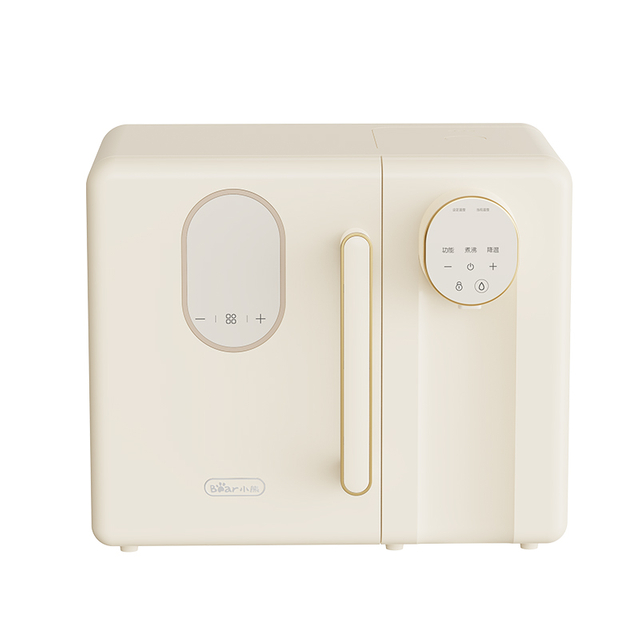
When comparing the initial costs of a multifunctional baby bottle sterilizer with a kettle to traditional sterilizers, a few key points stand out. Multifunctional units tend to be more expensive upfront, mainly because they combine several functions—sterilizing, drying, warming, and sometimes food dehydration—into one device. Prices typically range from $100 to $200, depending on brand and features. For example, a high-end model with a kettle function and large capacity might cost around $180 to $200.
Traditional sterilizers, on the other hand, usually cost less initially. Electric steam sterilizers often fall between $50 and $150, while microwave sterilizers are even more budget-friendly, sometimes under $50. These are simple devices focused primarily on sterilizing bottles and accessories, without extra features like drying or warming.
However, long-term investment isn't just about the purchase price. Multifunctional sterilizers may offer better durability and versatility, reducing the need for multiple appliances. They also tend to have longer lifespans due to higher build quality and more advanced technology. Conversely, traditional sterilizers might require additional devices for bottle warming or drying, which could increase total costs over time.
Energy consumption plays a significant role in ongoing costs. Multifunctional sterilizers often feature energy-efficient designs, such as automatic shut-off, optimized heating elements, and the ability to run only necessary cycles. Their combined functions mean fewer devices running separately, saving electricity and water.
Traditional sterilizers, especially older models, might consume more energy per use due to their single-function design. For instance, a basic electric sterilizer might take 10-15 minutes per cycle, using a certain amount of electricity. Microwave sterilizers, while quick, depend on microwave wattage, which varies widely and can be less predictable in energy efficiency.
Over time, the operational costs of multifunctional models could be lower because they streamline processes—less time, less energy, fewer devices. Additionally, some models use distilled or filtered water, which might add to maintenance costs but improve longevity and performance.
Determining which sterilizer offers better value depends on your needs and budget. Multifunctional sterilizers generally provide more value for busy families. They combine several tasks into one device, saving space and reducing clutter. If you frequently sterilize bottles, warm milk, and dry accessories, investing in a multifunctional unit makes sense. It can streamline your routine, cut down on prep time, and potentially lower long-term costs by replacing multiple appliances.
Traditional sterilizers might be more cost-effective if you only need to sterilize occasionally or have limited space. They are easier on the wallet upfront and can be sufficient for families with fewer bottles or less frequent sterilization needs. However, they might require buying separate warming or drying devices, which adds to total expenses.
In summary, for families seeking convenience, efficiency, and long-term savings, a multifunctional sterilizer with a kettle function offers more value. For those with minimal needs or tight budgets, traditional sterilizers can still do the job effectively at a lower initial cost.
Many parents find multifunctional baby bottle sterilizers to be game-changers in their daily routines. Users often praise their versatility, noting how combining sterilizing, drying, and warming functions into one device simplifies life. For example, a parent might mention how the kettle feature allows them to boil water for sterilizing bottles and preparing formula simultaneously, saving time during frantic mornings or late-night feedings. Several reviews highlight the convenience of having a device that can handle multiple tasks without needing separate appliances.
Parents also appreciate the large capacities of these sterilizers. One review might mention sterilizing up to 8-10 bottles at once, which is especially helpful for families with twins or multiple children. The ability to store sterilized bottles for several hours or even days adds peace of mind, making it easier to prepare bottles in advance. Many users comment on how the automatic features—like auto-drying and long-term storage—reduce manual effort, making sterilization less of a chore.
However, some parents report minor issues. A few mention that the kettle function sometimes takes longer than expected or that the device can be bulky, requiring ample counter space. Others note that cleaning can be slightly time-consuming if mineral deposits build up, especially in areas with hard water. Despite these small drawbacks, most reviews remain positive, emphasizing how these sterilizers fit seamlessly into their busy lives.
Common issues revolve around device maintenance and capacity limitations. For example, mineral buildup from hard water can reduce efficiency. Parents recommend regular descaling using vinegar or manufacturer-approved cleaning solutions to maintain performance. Some users also find that certain models are noisy during operation, which can be disruptive at night. In these cases, placing the sterilizer in a different room or choosing quieter models can help.
Another frequent concern involves the size of the sterilizer. Larger units might not fit in small kitchens or compact spaces. Parents suggest measuring available space carefully beforehand and opting for more compact models if space is tight. Some users also mention that certain sterilizers only hold a limited number of bottles, which may require multiple cycles for larger families. For these situations, choosing a high-capacity unit or one with modular design features can make a difference.
Lastly, a few parents experienced issues with the durability of plastic components or latches. To prevent breakage, gentle handling and following cleaning instructions are advised. Regularly inspecting parts and replacing worn components ensure longevity.
Despite minor hiccups, overall satisfaction with multifunctional sterilizers remains high. Many parents feel they offer excellent value, especially considering the time saved and the peace of mind they provide. They often recommend these devices to new parents who want a reliable, all-in-one solution.
Parents frequently advise choosing models with certifications from safety organizations like FDA, CPSC, or equivalent. They also suggest prioritizing units with intuitive controls, easy-to-clean parts, and sufficient capacity for their family size. Several reviews highlight that investing a little more upfront can pay off in durability, functionality, and overall convenience.
In conclusion, real-life feedback indicates that multifunctional baby bottle sterilizers are highly effective and appreciated by busy parents. They streamline routines, reduce clutter, and ensure bottles stay hygienic. While some minor issues may arise, proper maintenance and thoughtful selection can maximize their benefits, making them a valuable addition to modern nurseries.
Choosing the best baby bottle sterilizer depends heavily on your family's daily routine and space. If you have a busy schedule or multiple children, a multifunctional sterilizer with a kettle might be the best fit. These units can sterilize, dry, and warm bottles all in one device, saving time and countertop space. They’re especially useful if you prefer an all-in-one solution that reduces clutter and streamlines your routine.
On the other hand, if you’re often on the go or have limited space, a microwave sterilizer bag or a smaller, portable model could work better. These options are lightweight, easy to store, and perfect for travel or quick sterilization needs. Consider how often you’ll use the sterilizer—daily or occasional use—and whether you want a device that can handle large capacities or just a few bottles at a time.
Your baby’s health is the top priority. For infants with weaker immune systems, premature babies, or health concerns, a sterilizer with proven thoroughness becomes essential. Multifunctional models with kettle functions often offer higher temperatures, ensuring more effective sterilization. Certifications from safety organizations like FDA or CPSC are crucial indicators of reliability.
Also, think about safety features—automatic shut-off, BPA-free plastics, and certified safety standards. If you have hard water, choose a sterilizer that is easy to descale or has features to prevent mineral buildup. For peace of mind, some parents prefer models with long-term sterilized storage or auto-drying functions, keeping bottles germ-free longer.
Ultimately, your choice hinges on balancing your lifestyle, space, and safety concerns. For high-volume households, a large-capacity, multifunctional sterilizer with a kettle and drying features offers great value. It reduces the need for multiple devices, saves time, and provides thorough sterilization.
For smaller families or those prioritizing portability, a microwave sterilizer bag or compact electric model might suffice. These options are budget-friendly, easy to clean, and require less space.
Remember, no matter which type you pick, regular cleaning and maintenance are key. Descale units as needed, wipe down surfaces, and follow manufacturer instructions. This keeps your sterilizer working effectively and ensures your baby’s bottles stay hygienic.
Choosing the right sterilizer is about fitting it into your daily routine while ensuring maximum safety. Take your time, weigh your options, and prioritize features that match your family’s needs. A well-chosen sterilizer not only simplifies feeding routines but also gives you peace of mind knowing your little one is protected.
Multifunctional baby bottle sterilizers offer versatility by combining sterilization, drying, and warming functions, saving time and space. Traditional sterilizers are cost-effective but often require additional appliances. Multifunctional models, like Bear's, provide higher efficiency and convenience, making them ideal for busy families. Consider your lifestyle and space needs when choosing the best sterilizer. Bear's product provides value with its integrated features, ensuring thorough sterilization and ease of use. Make an informed decision to ensure your baby's health and simplify daily routines.
A: A Multifunctional Baby Bottle Sterilizer with Kettle is a device that combines sterilizing, drying, and warming functions, often with a kettle feature for boiling water, offering convenience and versatility for busy parents.
A: The kettle function in a Multifunctional Baby Bottle Sterilizer with Kettle allows boiling water for sterilization and warming, eliminating the need for separate appliances and simplifying the feeding process.
A: Multifunctional Baby Bottle Sterilizers offer space-saving, convenience, faster cycles, and the ability to handle multiple functions simultaneously, providing more value than traditional sterilizers.
A: Yes, while initially pricier, Multifunctional Baby Bottle Sterilizers can be more cost-effective long-term due to their durability, energy efficiency, and reduced need for multiple devices.


